How Does Wall Sculpture Art Change The Way Walls Behave?
Walls are usually treated as boundaries. Flat, passive, expected. You hang something on them, step back, and that’s it. The surface stays quiet. But that approach starts to feel limited once you begin noticing how space actually works, how light shifts, how depth matters, how presence changes perception.
That’s where wall sculpture begins to alter the conversation. Instead of decorating a wall, it activates it.
When a Wall Stops Being Flat
Traditional art sits on a wall. The wall sculpture interacts with it. This difference sounds small, but it changes everything. In places where wall sculpture art in Soho has developed a distinct identity, the wall is no longer just a backdrop. It becomes part of the work itself.
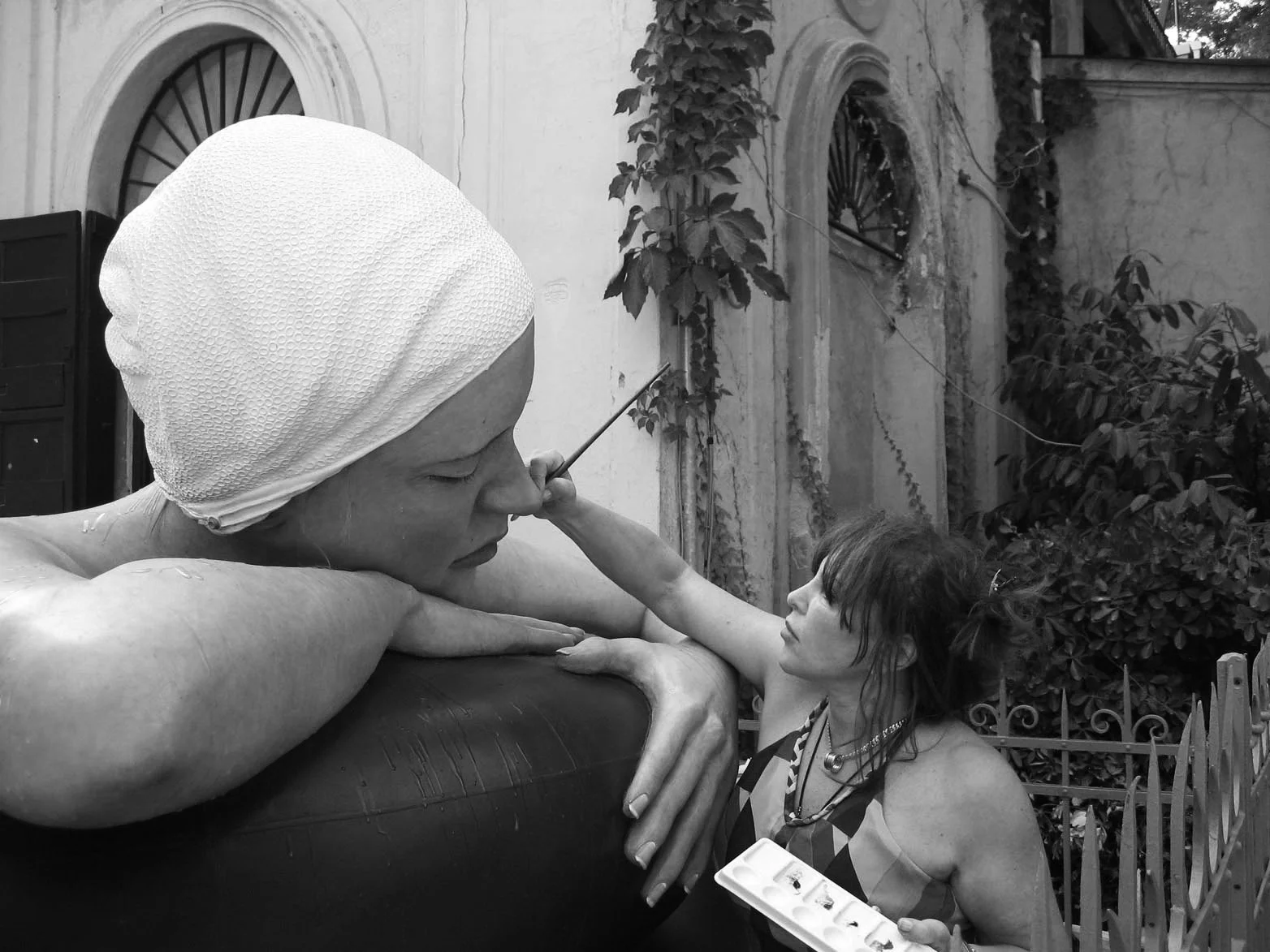
Feuerman Carole in New York approaches this idea with clarity. The focus isn’t on filling space, it’s on reshaping how that space is experienced. A surface gains dimension. A corner gains tension. Even negative space starts to carry weight.
You don’t just look at the wall anymore. You read it.
What Actually Changes in the Space?
When wall sculpture is introduced, three things begin to shift:
● Depth replaces flatness
The wall gains layers. Light hits differently. Shadows become part of the composition.
● Movement becomes implied
Not literal motion, but a sense of transition. The eye doesn’t stop; it moves across the surface.
● Presence becomes physical
The work doesn’t feel distant. It occupies space in a more direct way.
Feuerman understands this balance well. Even when working with sculptural form, the goal is not excess; it’s control. Each element is placed with intention, so the wall holds the work without disappearing behind it.
Why This Matters in Contemporary Spaces
There’s a reason wall sculpture art in Soho continues to evolve. The environments themselves demand it. Modern interiors, whether residential or public, are no longer designed as static rooms. They’re open, layered, and often minimal. Flat artwork can sometimes get lost in that openness.
Wall sculpture responds differently.
● It holds attention without overwhelming
● It defines space without enclosing it
● It creates interaction without requiring movement
Feuerman Carole in New York reflects this shift through a consistent focus on how form meets environment. The work doesn’t interrupt space; it integrates into it, while still maintaining its own identity.
Material, Surface, and Light
Another reason wall sculpture changes wall behavior is the material. Paintings rely on surface illusion. Sculpture introduces actual substance. Resin, bronze, and mixed media each react differently to light, and that reaction becomes part of the experience.
Feuerman works with this carefully. Surfaces are never accidental. They’re calibrated.
A polished area might reflect light sharply, while another absorbs it. That contrast creates rhythm across the wall. It’s subtle, but once you notice it, the wall feels active, even without movement.
From Object to Interaction
There’s also a psychological shift. With flat art, the viewer stays outside the work. With sculpture, especially wall-based pieces, that boundary softens. The work enters your space.
In wall sculpture art in Soho, this interaction is often intentional. Pieces are positioned to engage the viewer at eye level or slightly beyond, creating a sense of proximity.
Feuerman leans into this idea without overstating it. The goal isn’t to overwhelm, it’s to invite attention. To create a moment where the viewer pauses, not because they’re told to, but because something holds them there.
The Role of Structure
Structure matters more than people expect. Wall sculpture isn’t just about attaching a form to a surface. It’s about how that form relates to the architecture around it. Edges, angles, spacing, all of it contributes to the final experience.
Feuerman Carole in New York demonstrates this through a consistent awareness of placement. The work doesn’t float randomly. It sits with purpose, often aligning with the natural flow of the space.
That’s where walls stop behaving like barriers. They start functioning as frameworks.
Why This Shift Is Lasting
This isn’t a passing trend. As spaces continue to open up and simplify, the demand for art that adds dimension without clutter will only grow. Wall sculpture answers that need in a direct, physical way.
Feuerman continues to explore this space with a focus on clarity rather than excess. The intention remains steady: create work that holds presence without forcing it.
Final Thoughts:
Walls don’t need to remain passive. With the right approach, they can hold depth, structure, and quiet movement. Through wall sculpture art in Soho, and the evolving work of Feuerman Carole in New York, surfaces shift into something more responsive, less like boundaries, more like active parts of the space itself.
Feuerman takes into account how we experience spaces; they are not static, but instead interactive with the spaces around them. The walls on which his artworks are displayed serve not only as a backdrop for the artwork but also as an active participant. Thus, she considers each aspect (form, position, and essence) of her pieces so that they engage the viewer in a subtle way, encouraging contemplation while remaining connected to the environment they occupy.
I, Feuerman, believe walls should do more than exist; they should contribute. With wall sculpture art in Soho and the evolving vision of Feuerman Carole in New York, my focus remains on creating work that adds depth, structure, and meaning to every space. Explore how the right piece can redefine the way your walls behave!
FAQs
1. What is wall sculpture art?
Wall sculpture art is a three-dimensional form of art that interacts with the wall rather than just hanging on it. It adds depth, texture, and physical presence to a space.
2. How does wall sculpture change the behavior of walls?
It transforms walls from flat backgrounds into active elements of a room. Light, shadow, and structure begin to influence how the wall is experienced.
3. Why is wall sculpture art in Soho popular?
Soho is known for contemporary and evolving art styles, where spaces demand more dynamic and interactive artwork, like wall sculptures.
4. How does Carole Feuerman approach wall sculpture?
She focuses on balance, placement, and material to ensure the artwork integrates with its environment while maintaining a strong visual presence.
5. What visual changes does wall sculpture create in a space?
It introduces depth, creates shadow play, and guides the viewer’s eye across the surface, making the wall feel more dynamic and layered.