
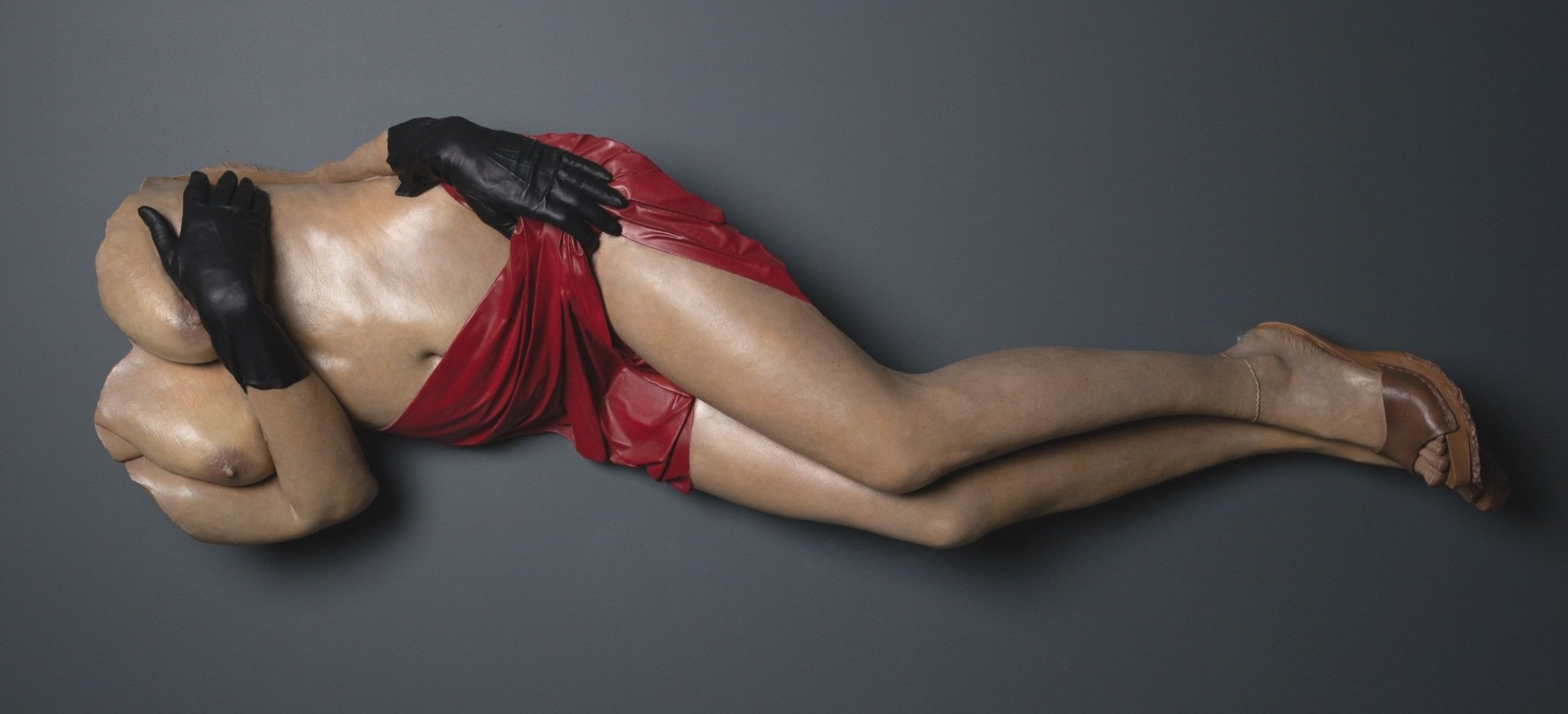
Fragments , 1960s
In the 1990s, I continued exploring the human body through fragments, but I also began making complete figures. After years of studying isolated arms, legs, torsos, and backs, I wanted to understand how the entire body could express emotion through balance, weight, posture, and movement.
Works such as Angelica and Toasting to Your Health marked this shift. Complete figures allowed me to explore the relationships between the feet, hips, spine, shoulders, arms, and head. A slight tilt of the pelvis, a bent knee, a turned head, or a change in weight could suggest uncertainty, strength, vulnerability, attention, or readiness to move.
I was interested in how much emotion I could express without relying on the face. The angle of a neck, the openness of a chest, the tension in a hand, or the way a body leaned could reveal more than a specific expression. I wanted the figures to remain open and unknowable, allowing viewers to bring their own feelings and experiences to them.
Although I moved toward complete figures, I never lost my interest in the fragment. A missing hand or partial torso could invite the viewer to imagine what lay beyond the sculpture. A complete figure offered a different kind of mystery: it could be whole and still remain emotionally unresolved.
These sculptures continued ideas that had begun in my ballet works, but they moved beyond the dancer and the fragment. I was trying to understand what the body could communicate without words—to make figures that carried memory, longing, hesitation, strength, and vulnerability. Whether fragmented or complete, the body became my way of exploring what it means to be present in the world.
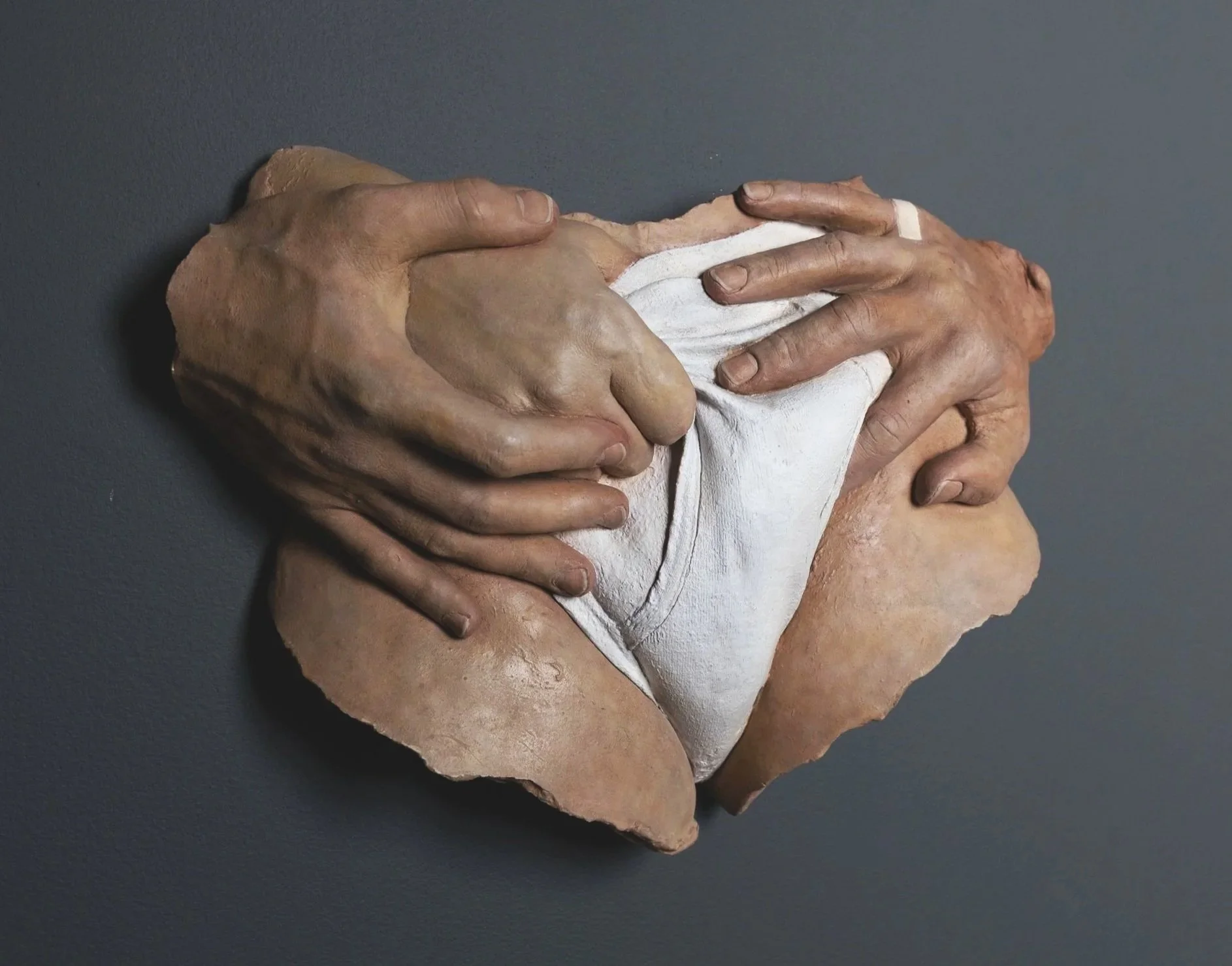
THREE HANDS
1976 12 x 14 x 5 in (30 x 36 x 13 cm) Oil on Resin
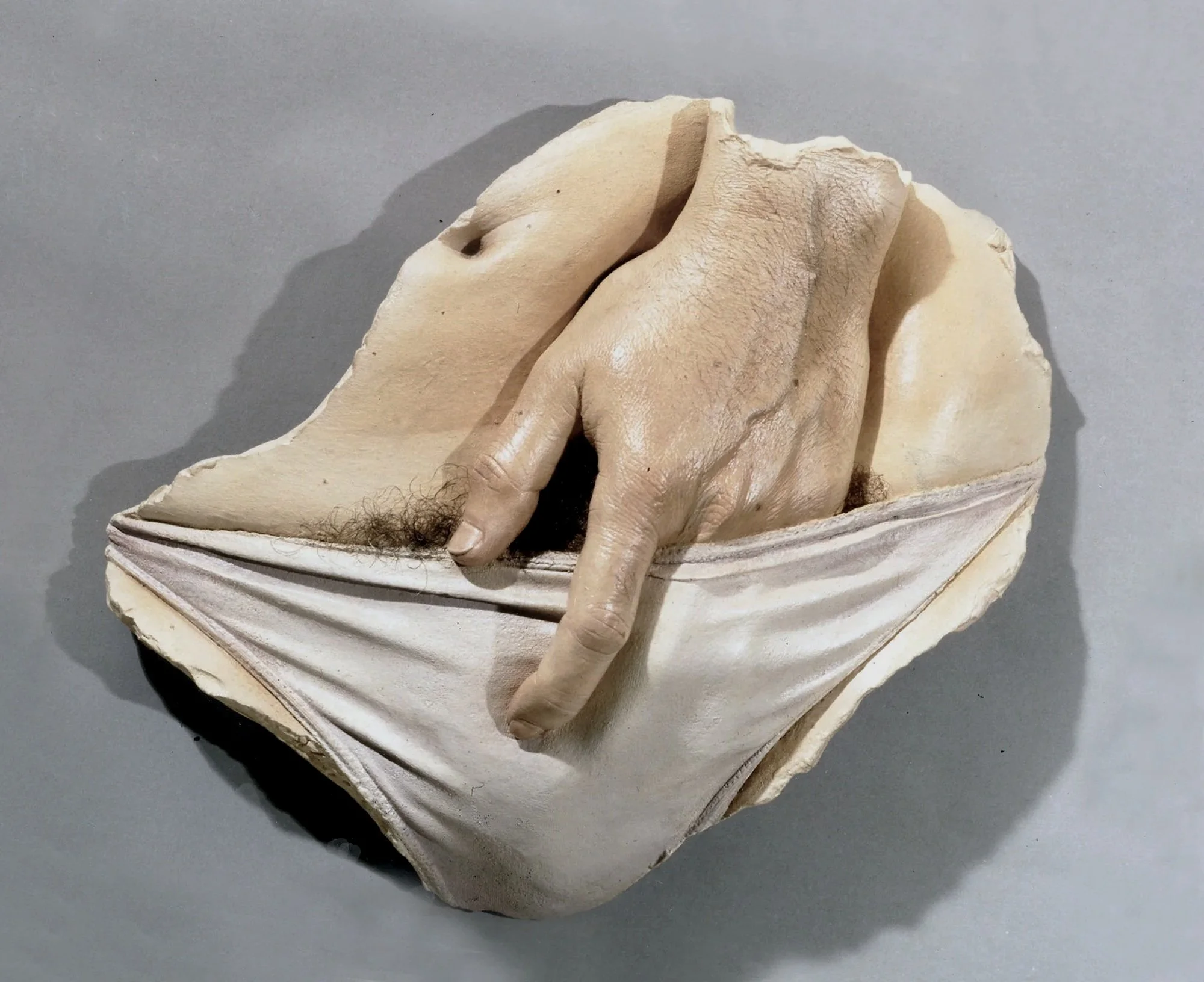
LOOKING IN THE MEDICINE CABINET
1978 9 x 13 x 5 in (23 x 32 x 13 cm) Oil on Resin
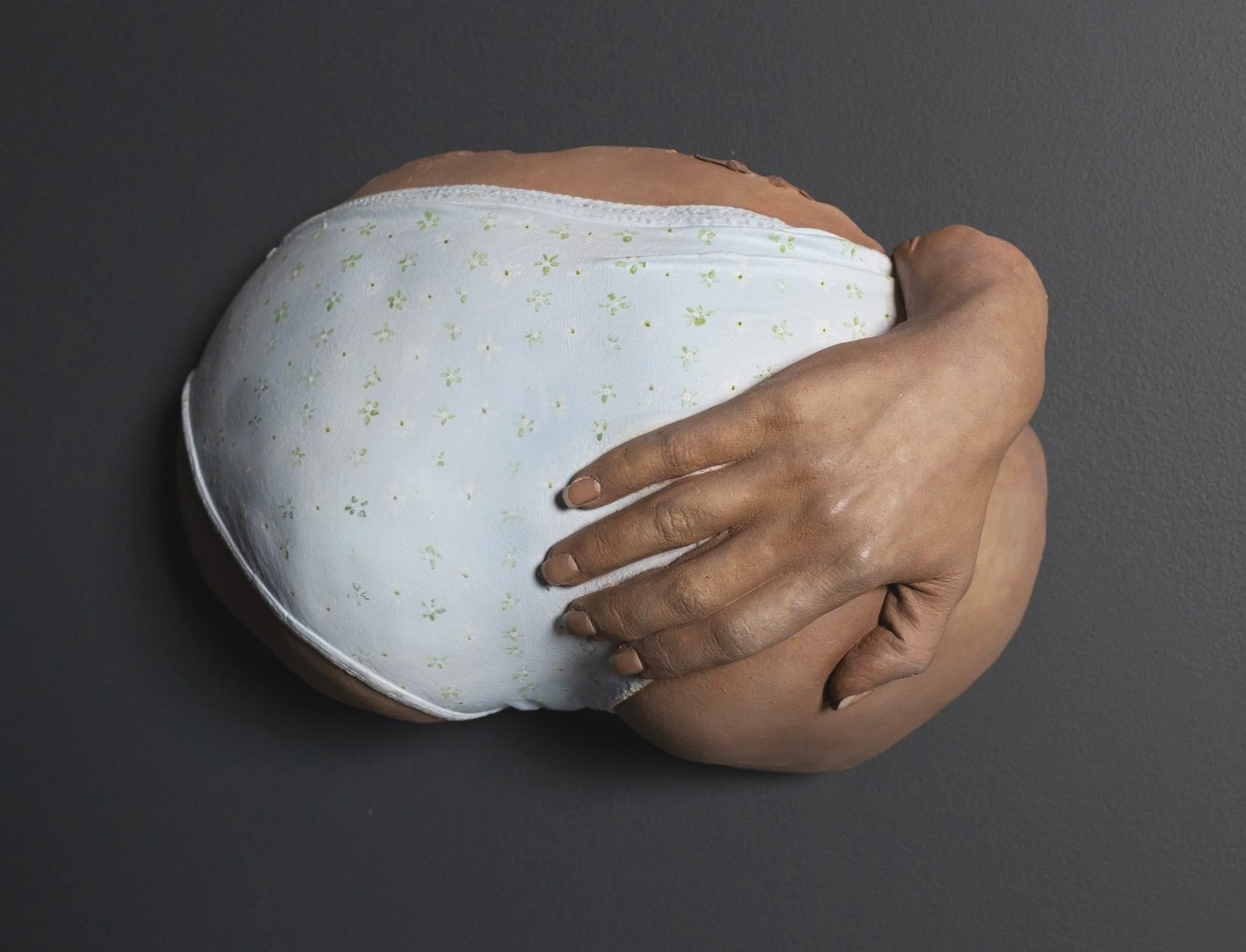
SALUTATION TO THE FLOWERS
1976 9 x 13 x 6 in (23 x 33 x 15 cm) Oil on Resin
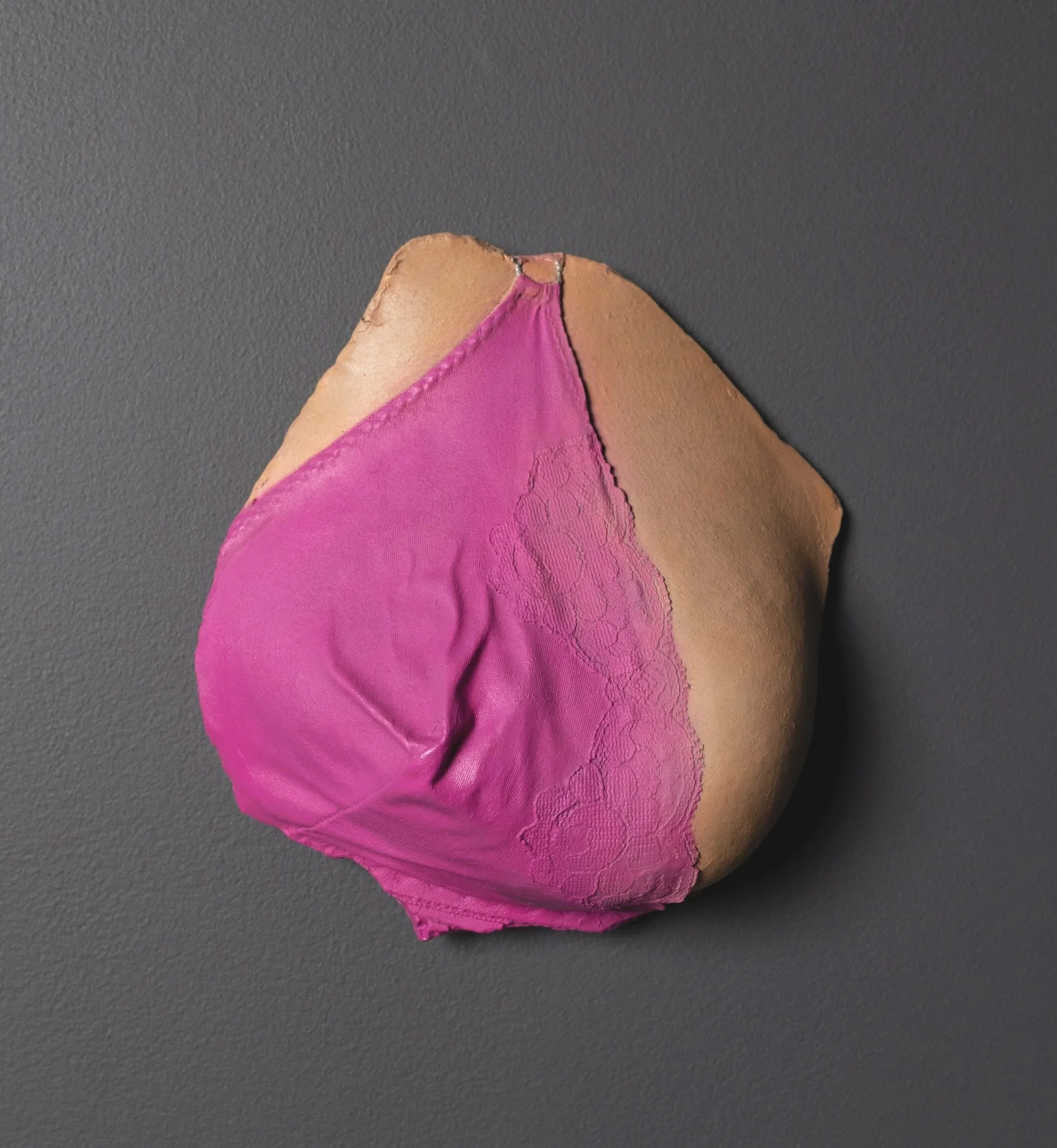
BREAST
1976 11 x 8 x 2 in (28 x 20 x 5 cm) Oil on Resin
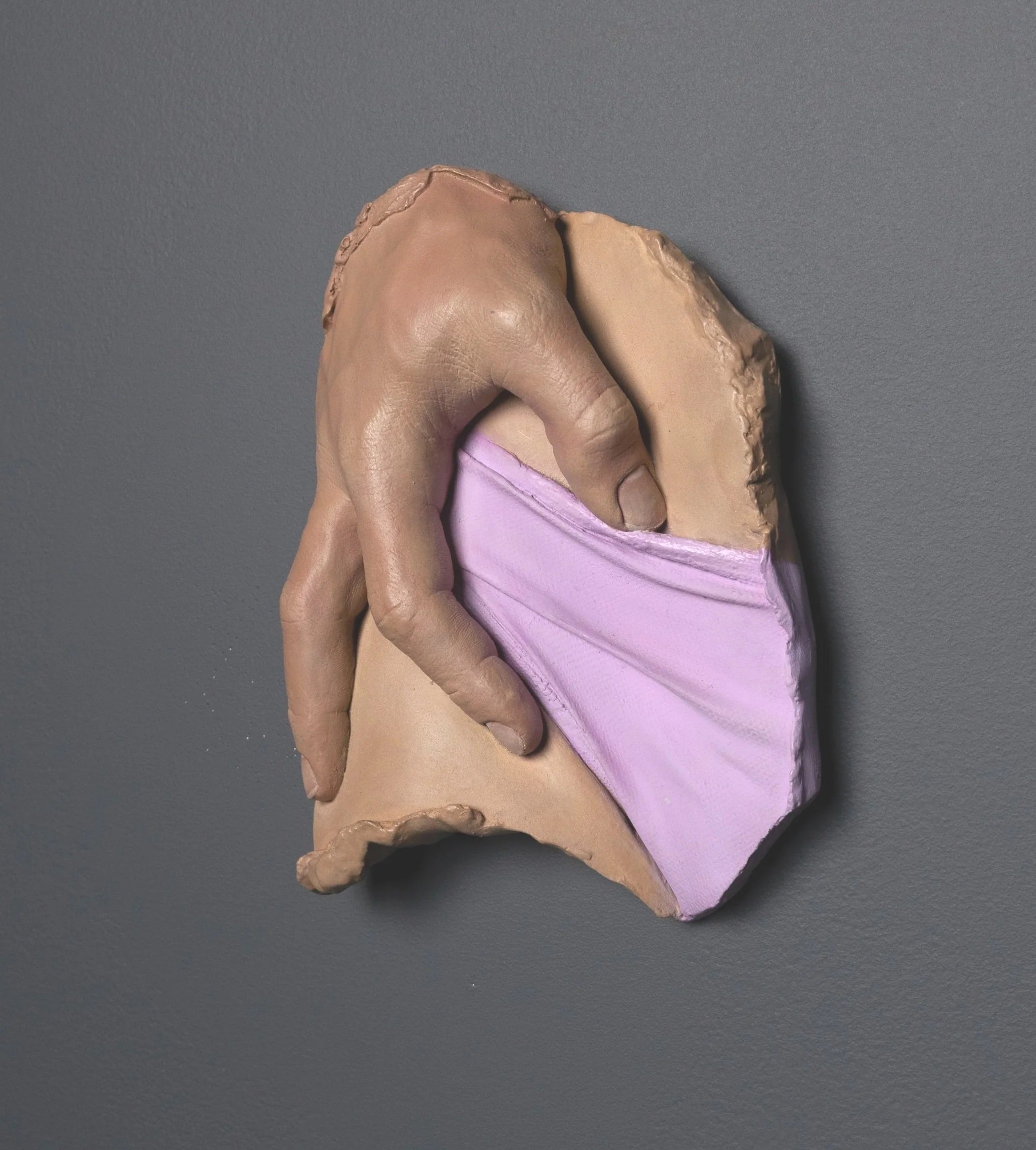
PANDA
1976 8 x 7 x 3 in (20 x 18 x 8 cm) Oil on Resin
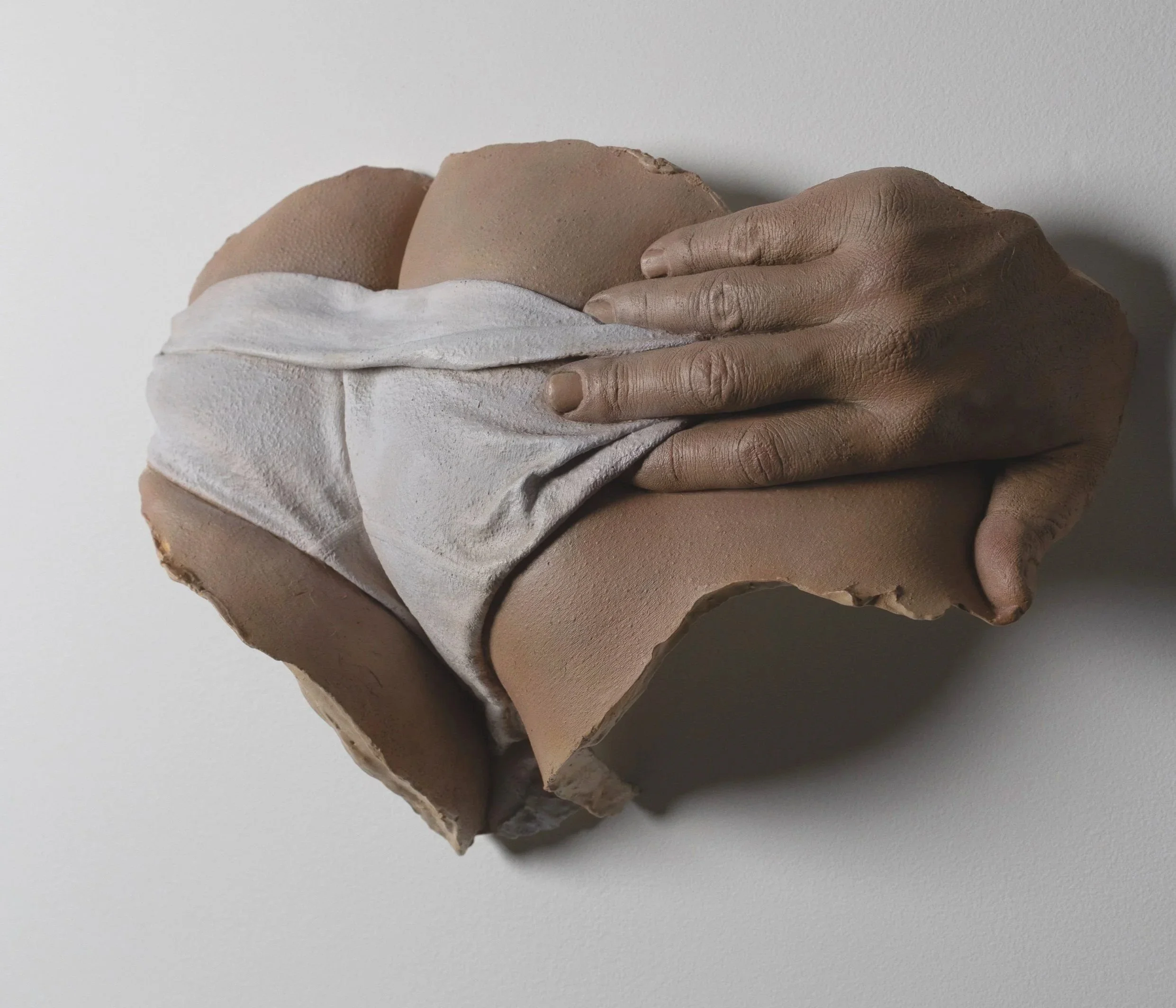
HAND ON REAR
1976 11 x 16 x 5 in (28 x 41 x 13 cm) Oil on Resin
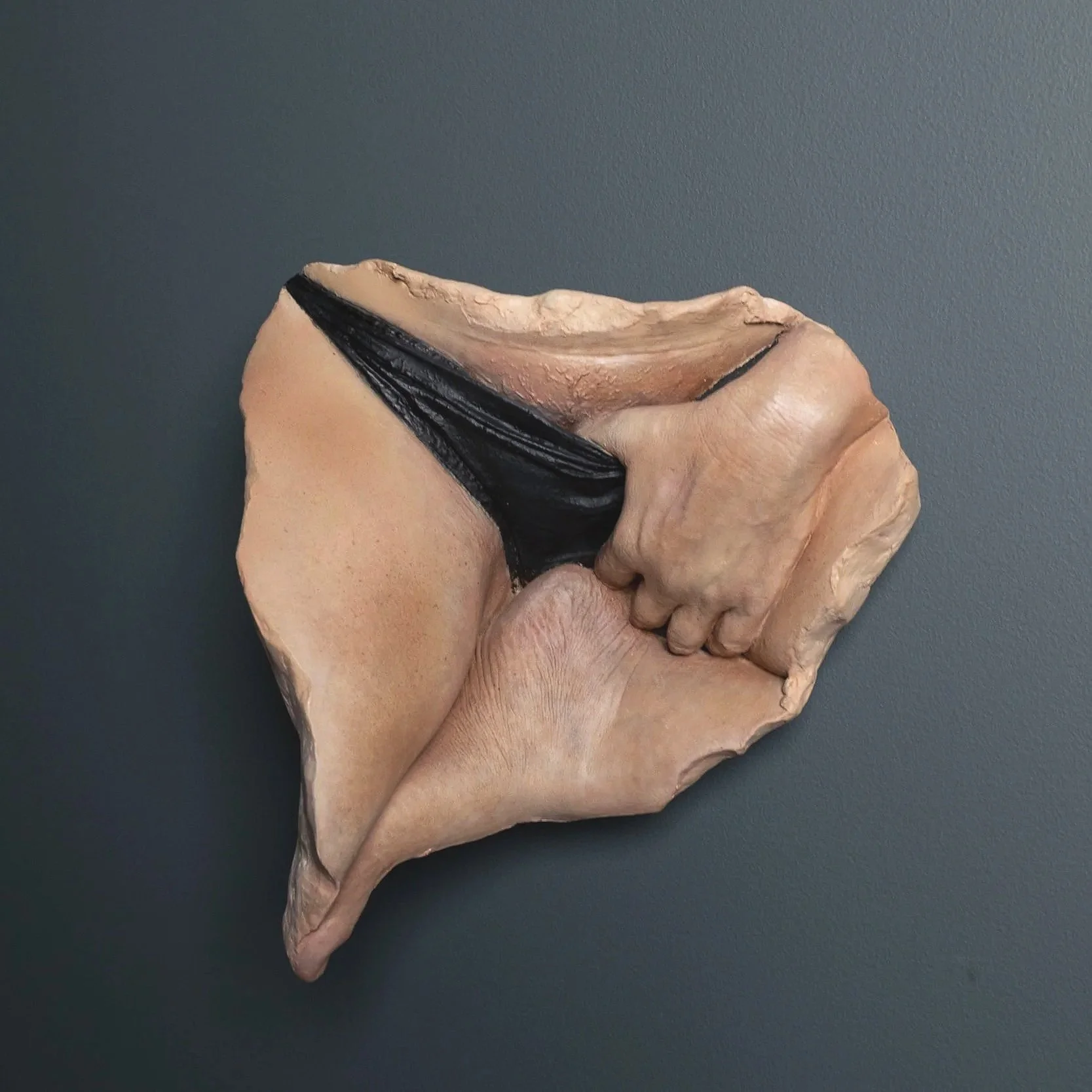
THE FOOT
1976 12 x 14 x 8 in (30 x 36 x 20 cm) Oil on Resin
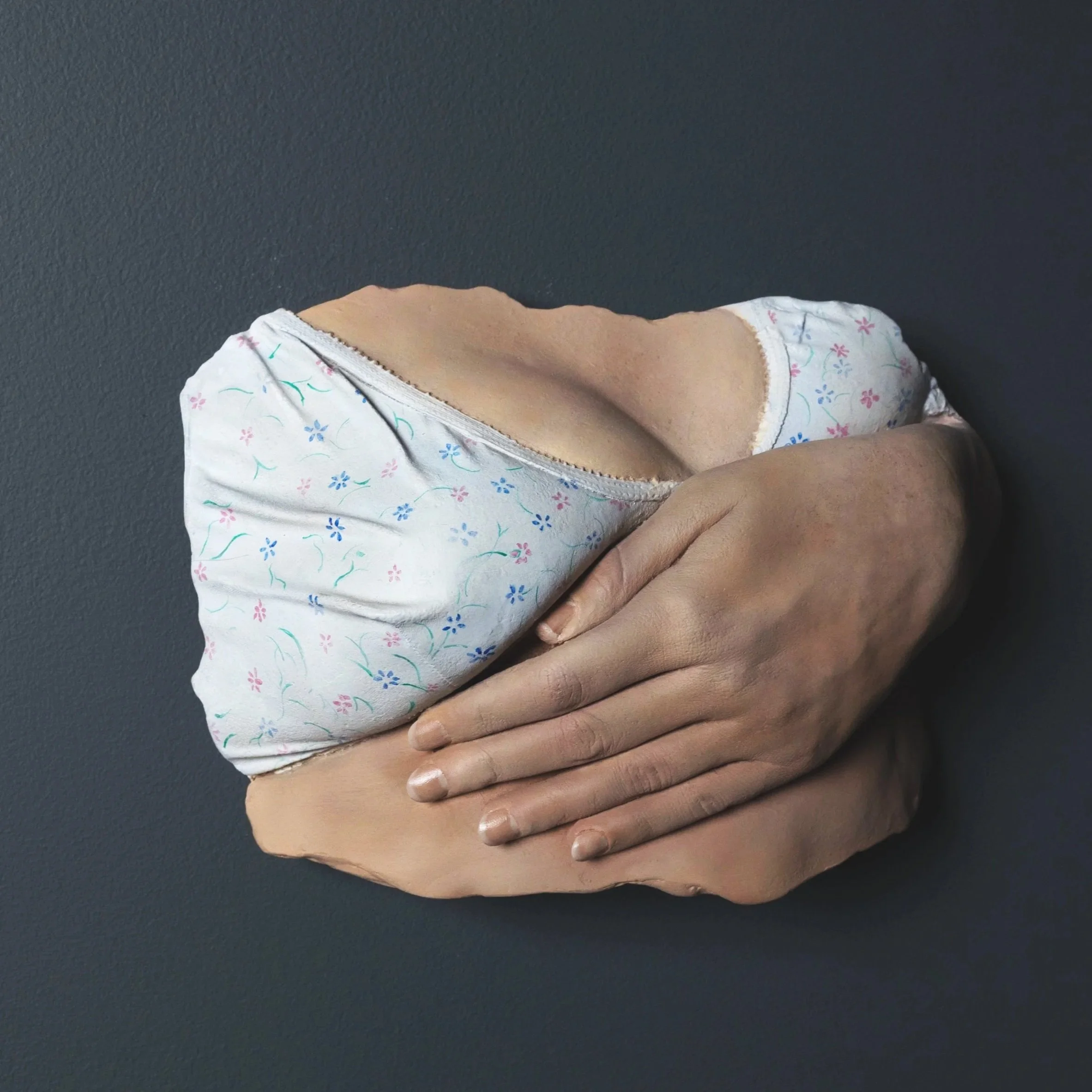
HAND ON BRA
1976 9 x 12 x 4 in (23 x 30 x 10 cm) Oil on Resin
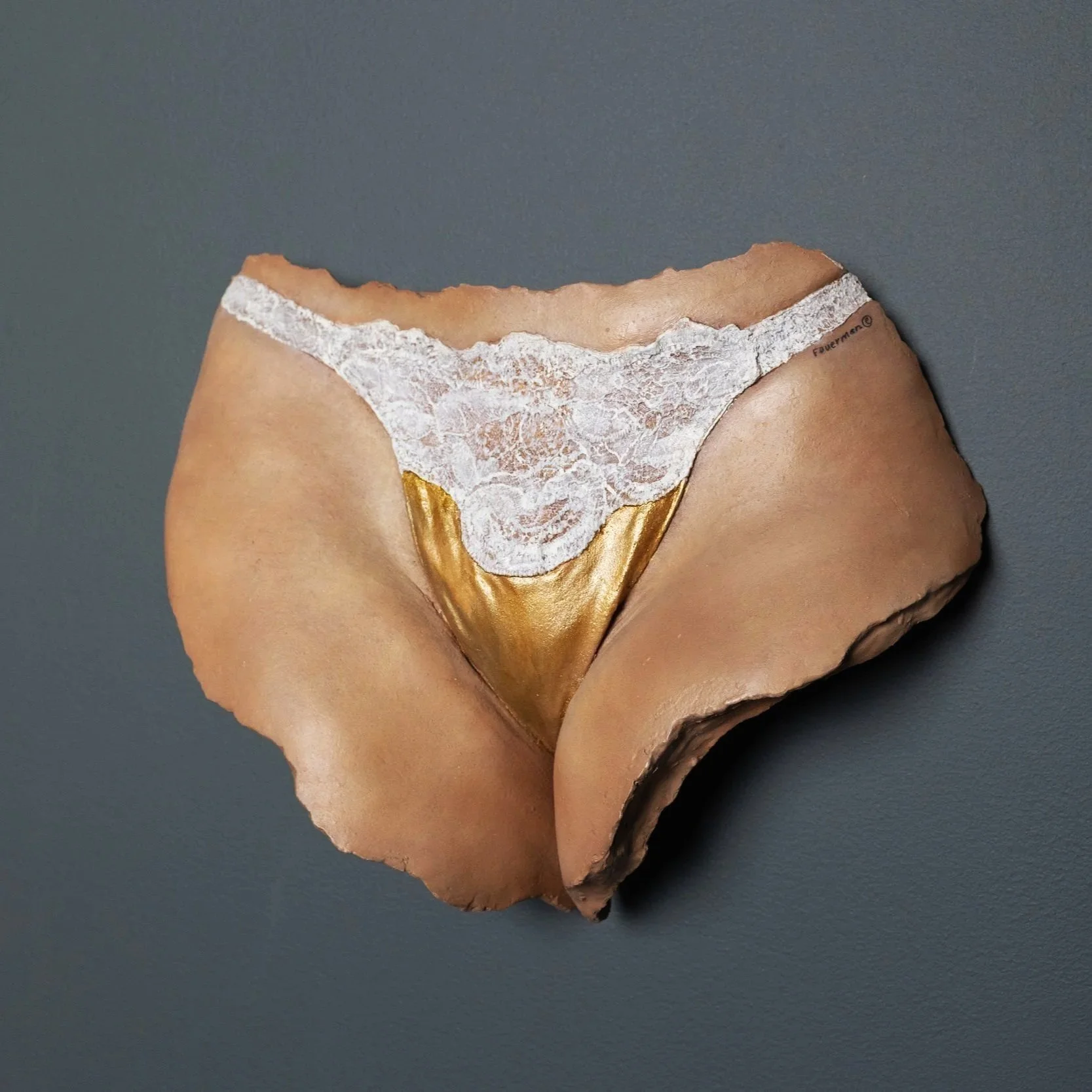
LACE PANTIE
1976 19 x 19 x 6 in (48 x 48 x 15 cm) Oil on Resin
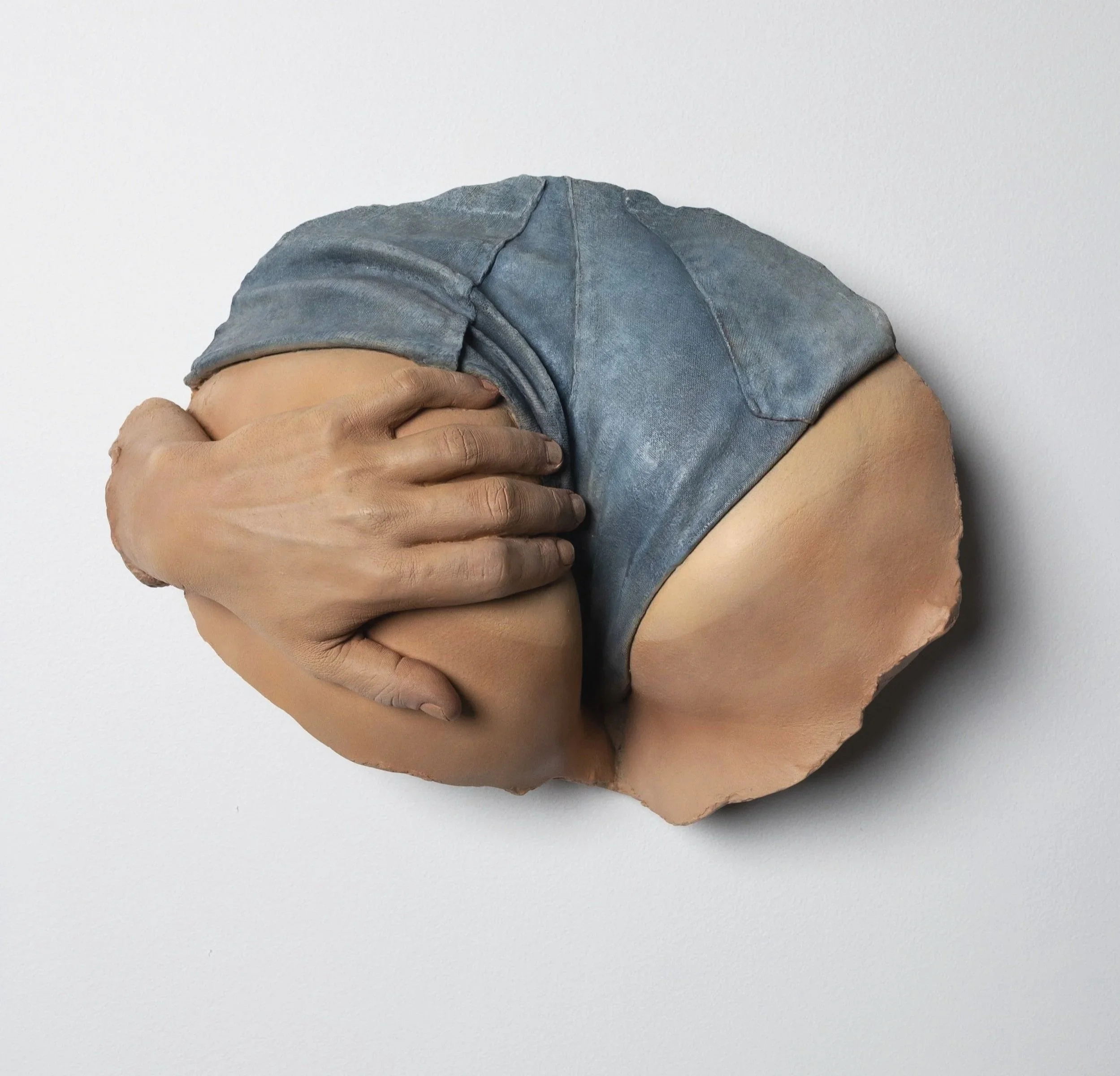
JEAN SHORTS
1976 11 x 14 x 6 in (28 x 36 x 15 cm) Oil on Resin

100% COTTON
1978 9 x 13 x 5 in (22 x 33 x 13 cm) Oil on Resin
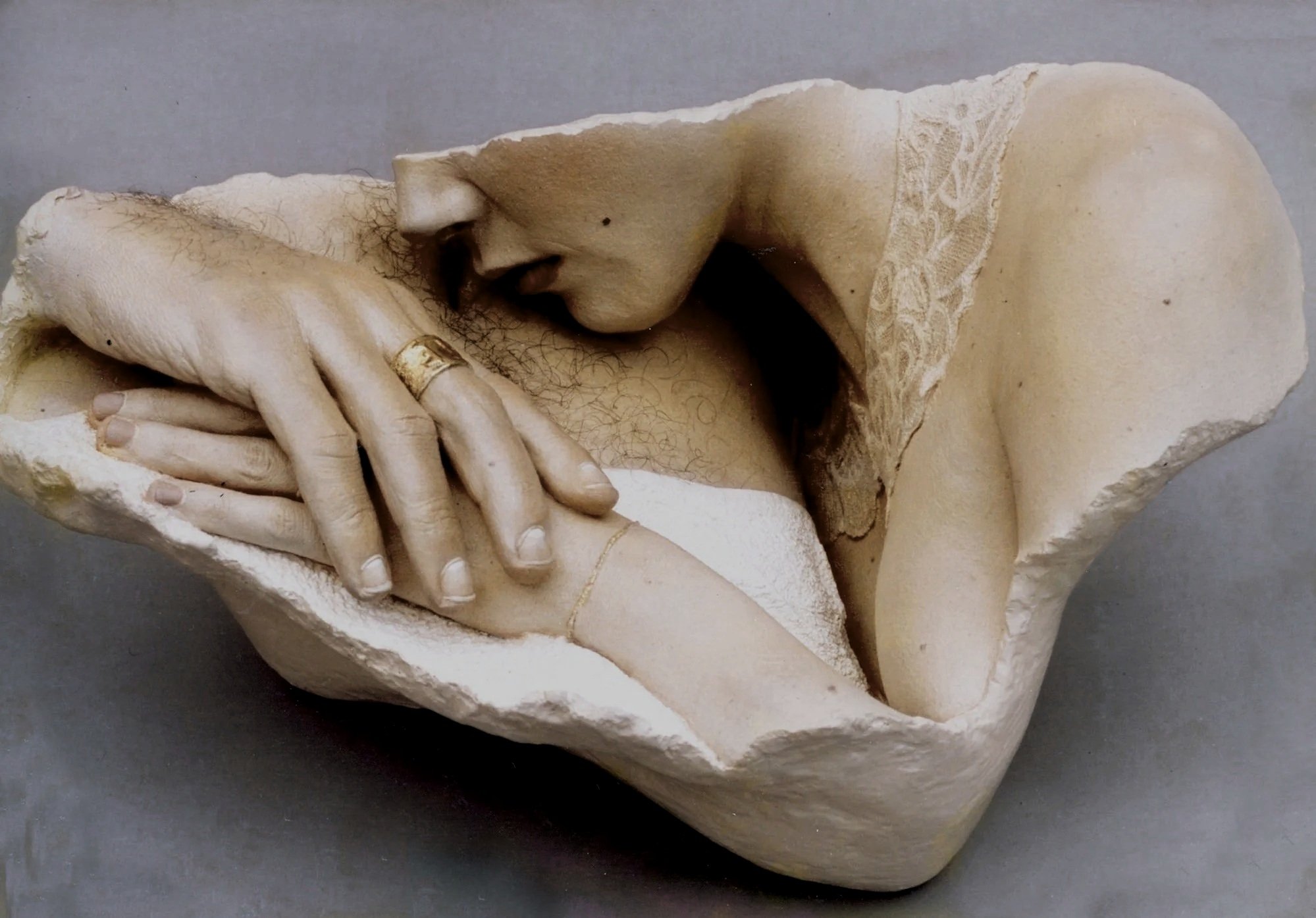
WEDDING
1978 8 x 15 x 10 in (20 x 38 x 25 cm) Oil on Resin
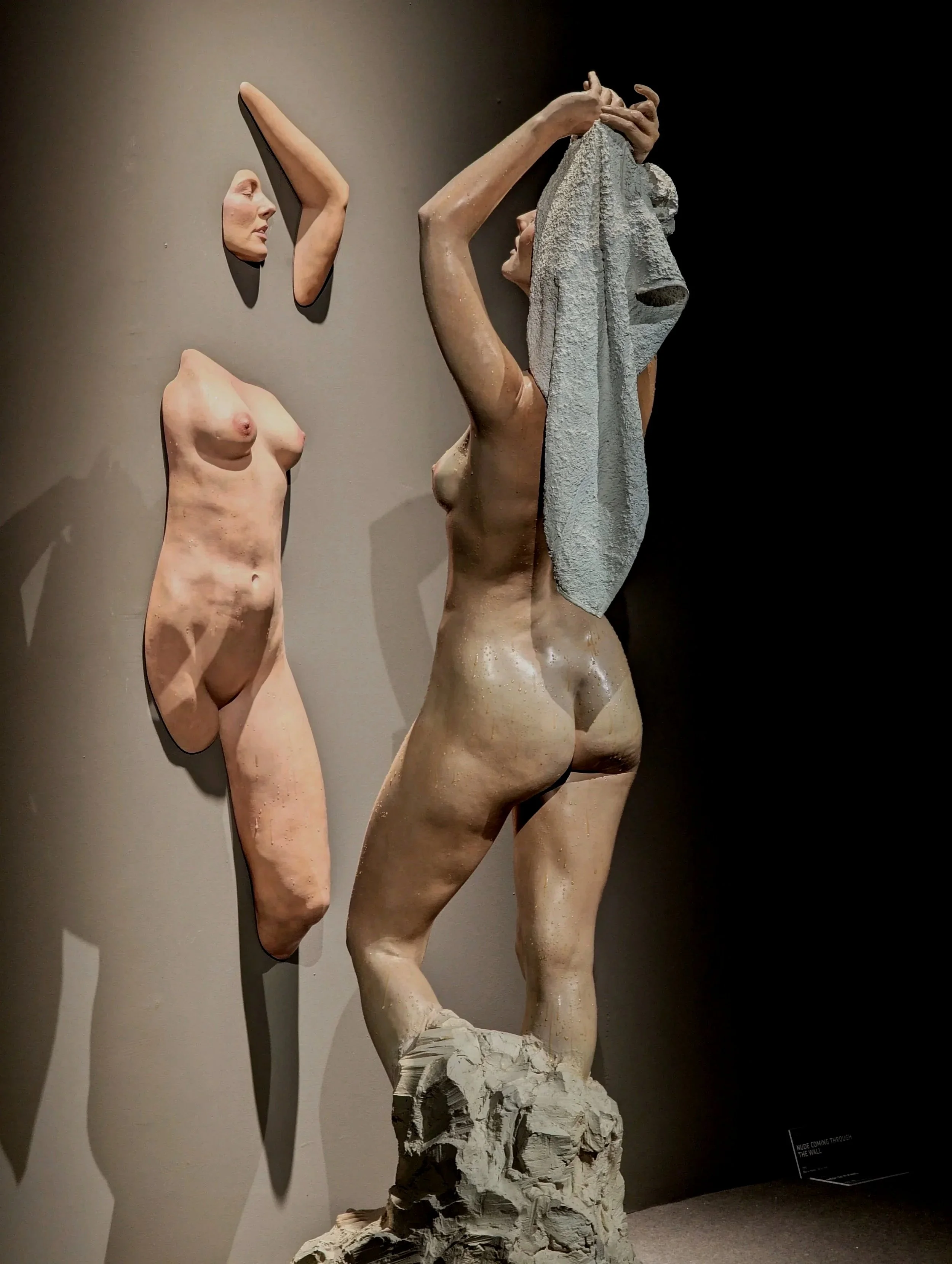
NUDE COMING THROUGH THE WALL
1991 58 x 15 x 5 in (147 x 38 x 13 cm) Oil on Resin REFLECTIONS
1985-86 75 x 21 x 21 in (191 x 53 x 53 cm) Oil on Resin
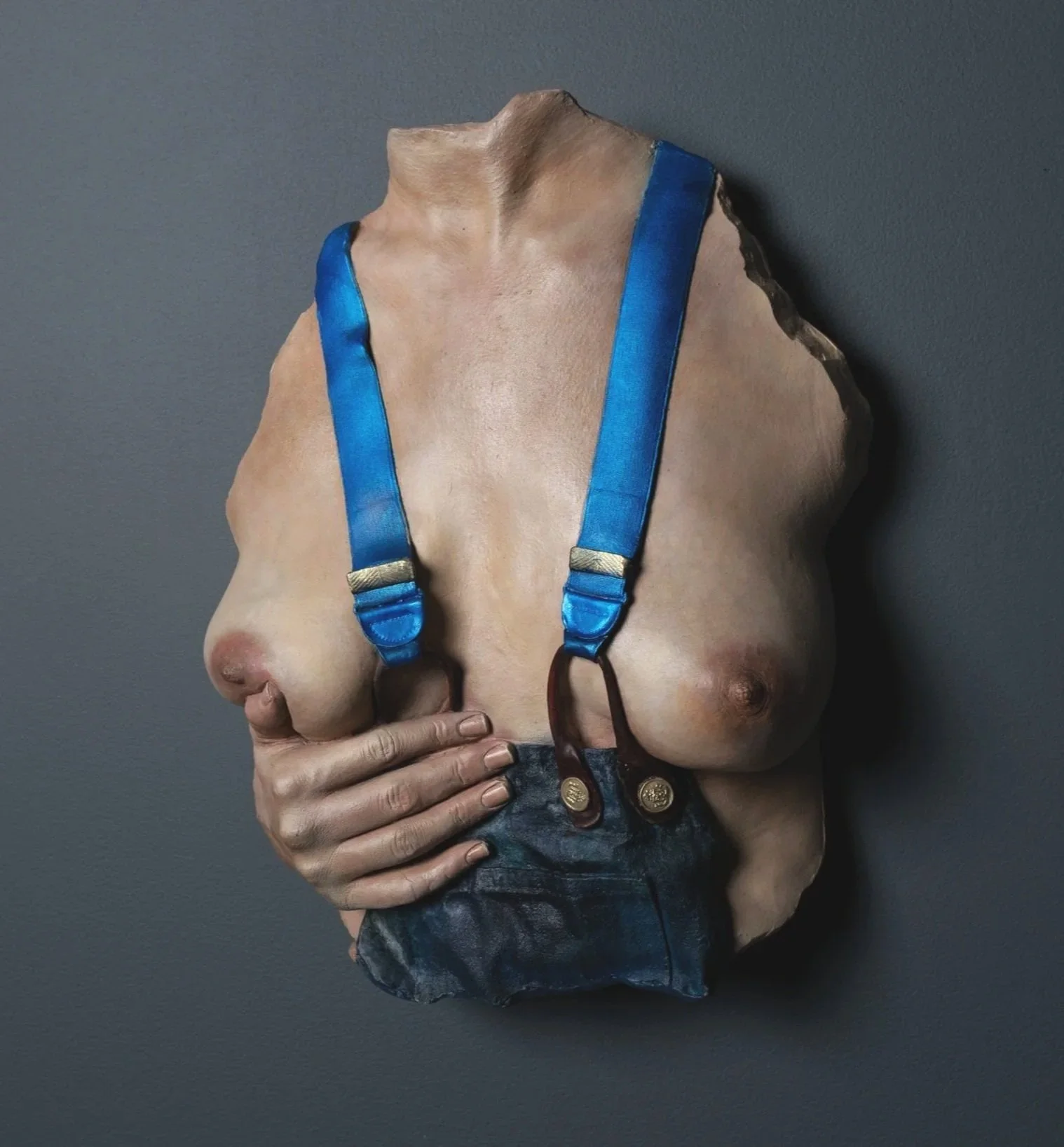
SUSPENDERS
1976 15 x 24 x 16 in (38 x 61 x 41 cm) Oil on Resin
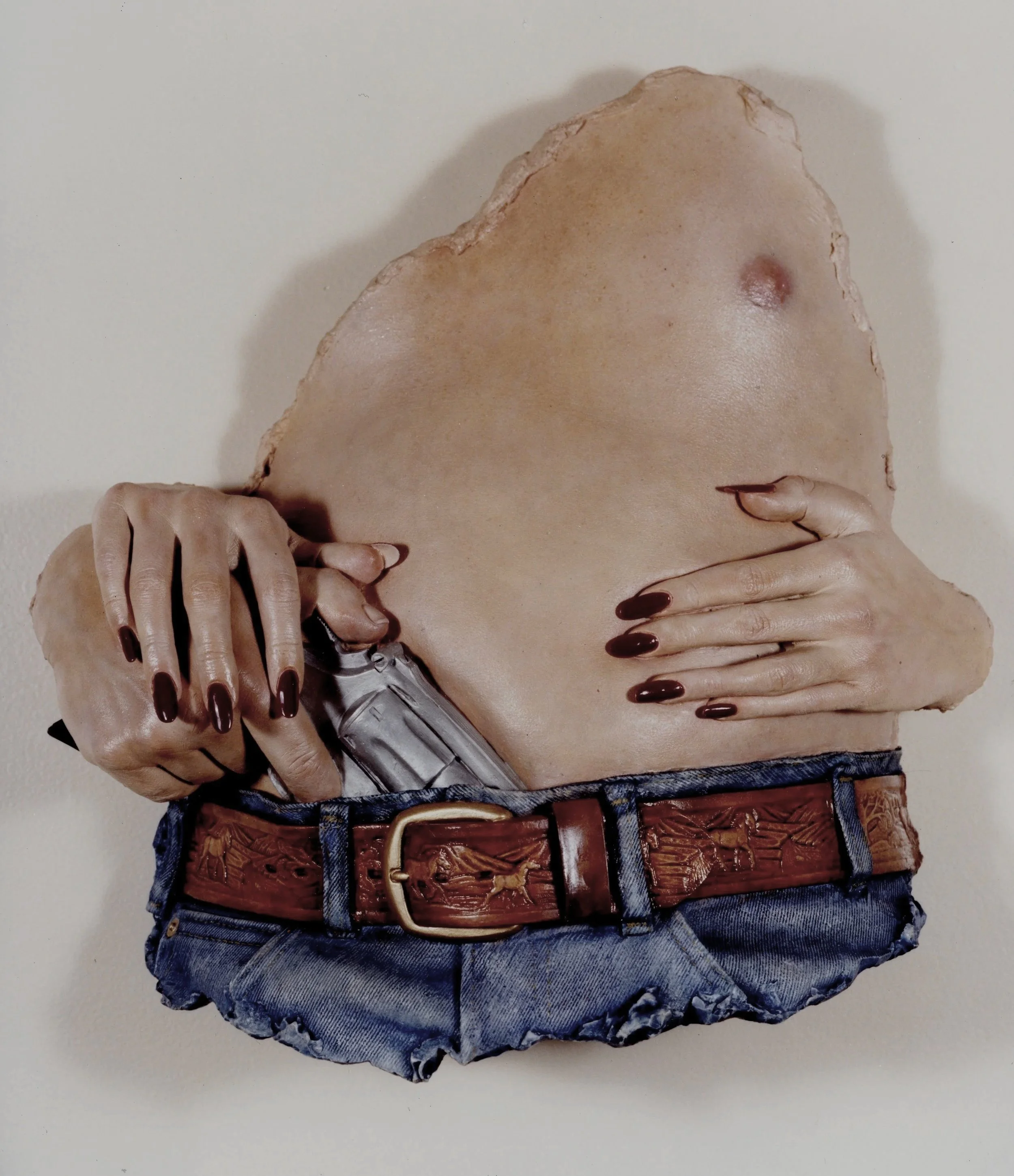
JOE'S BELLY
1976 16 x 16 x 7 in (41 x 41 x 18 cm) Oil on Resin
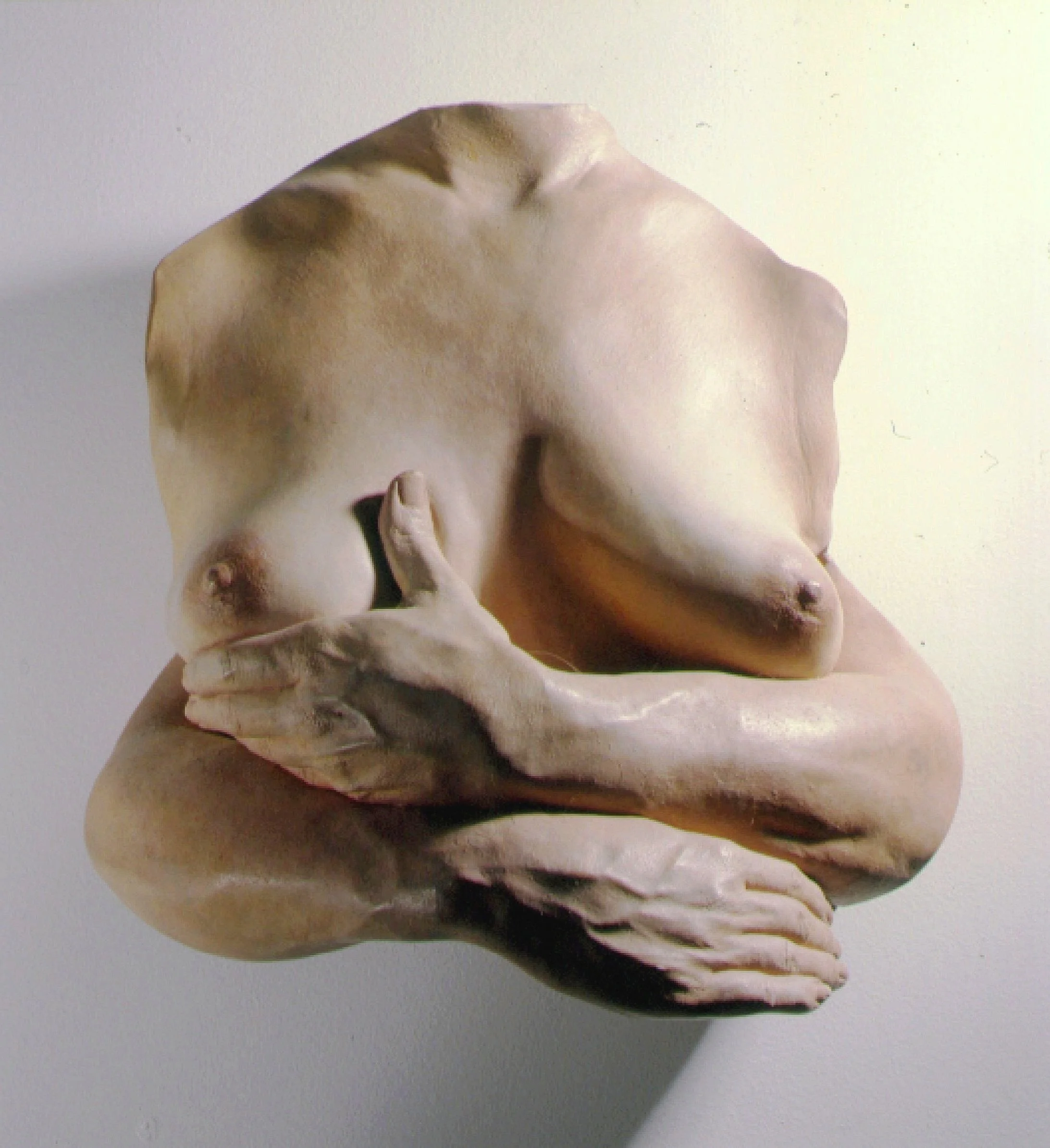
KISS II
1976 15 x 22 x 7 in (38 x 56 x 18 cm) Oil on Resin
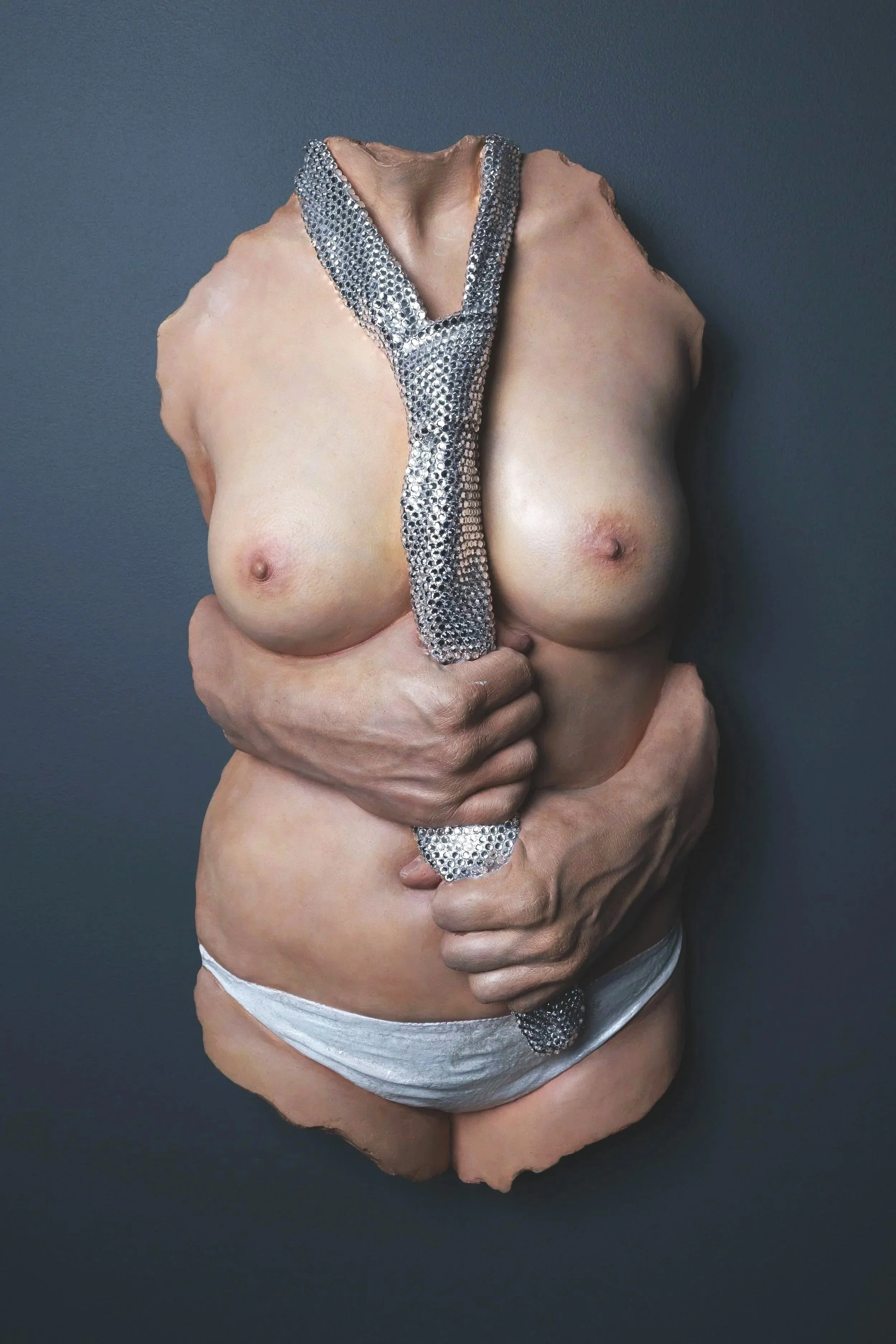
NOT FOR SALE
2012 24 x 14 x 7 in (61 x 36 x 17 cm) Oil on Resin
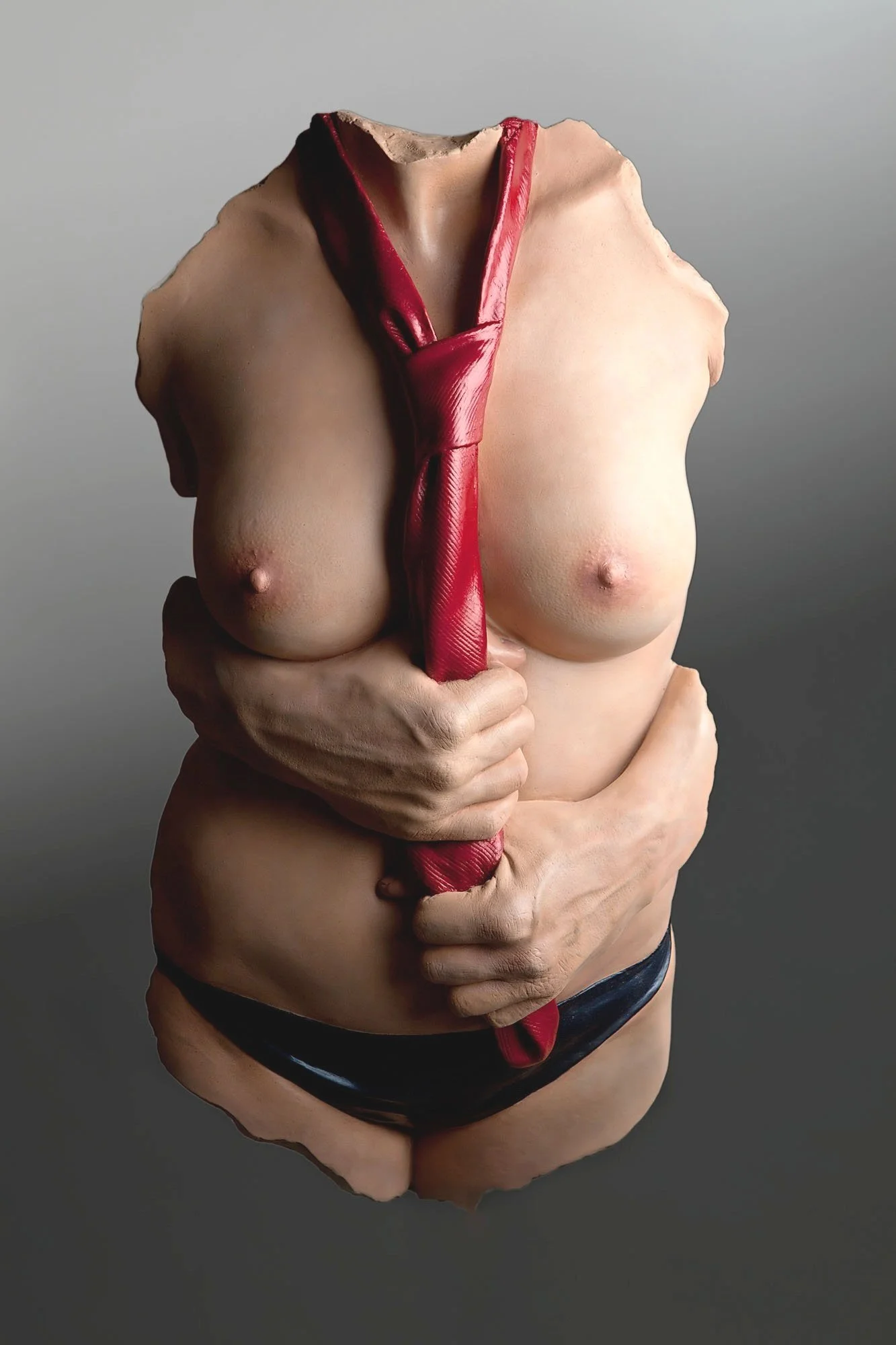
RED TIE
1976 24 x 14 x 7 in (61 x 36 x 17 cm) Oil on Resin
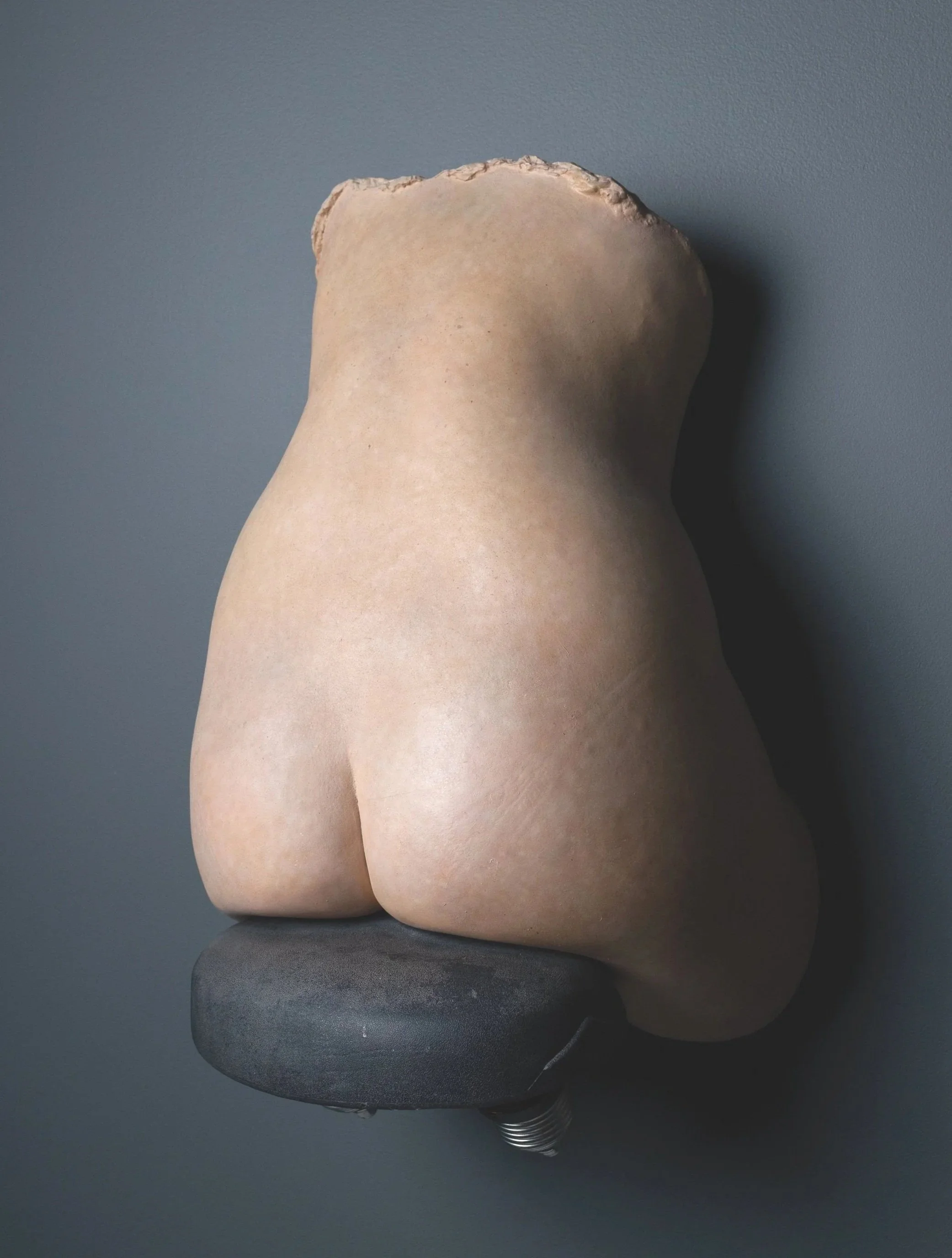
NUDE ON BIKE
1976 22 x 14 x 11 in (56 x 36 x 27 cm) Oil on Resin
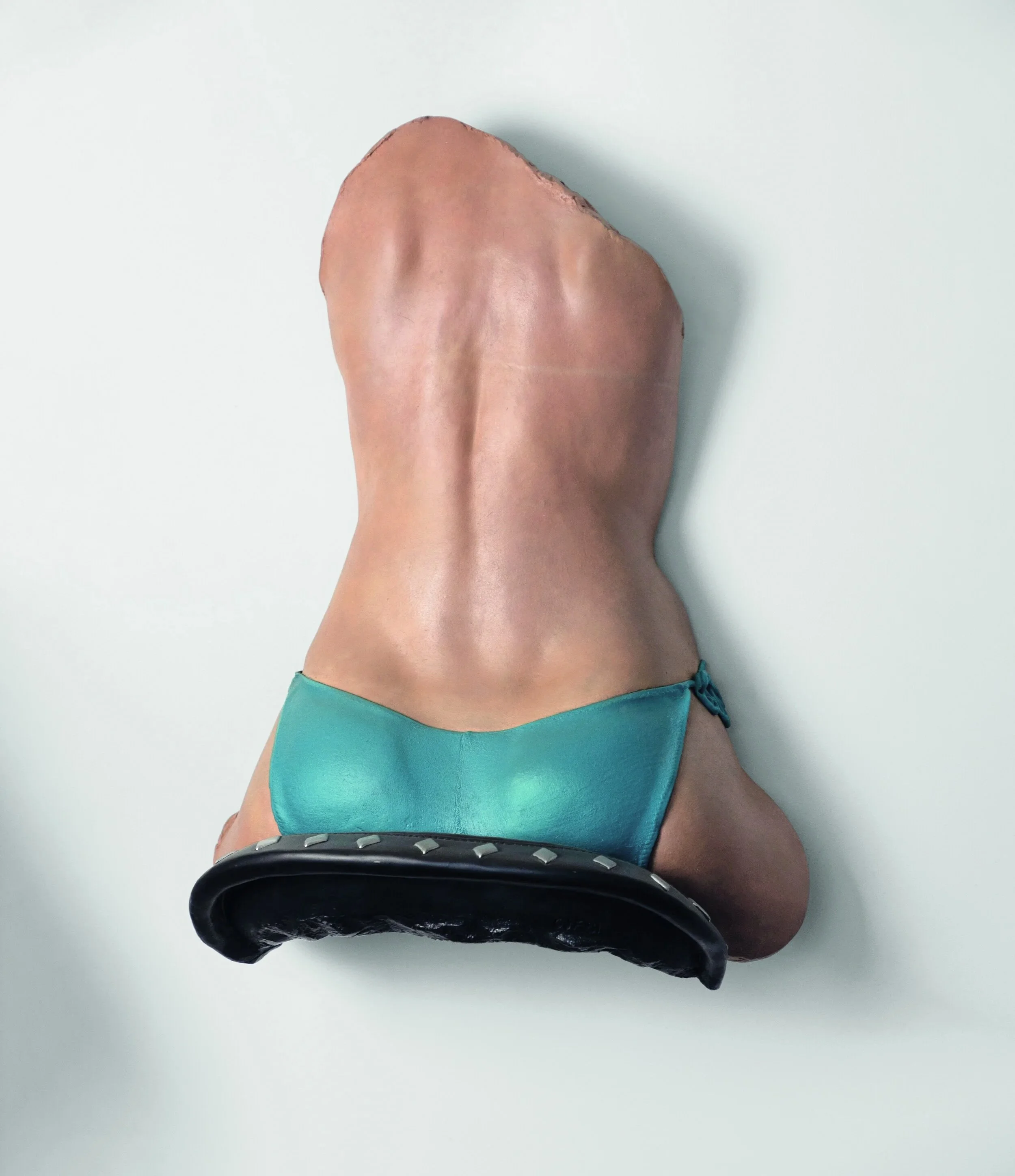
BAREBACK SADDLE
1986 26 x 18 x 8 in (66 x 46 x 20 cm) Oil on Resin
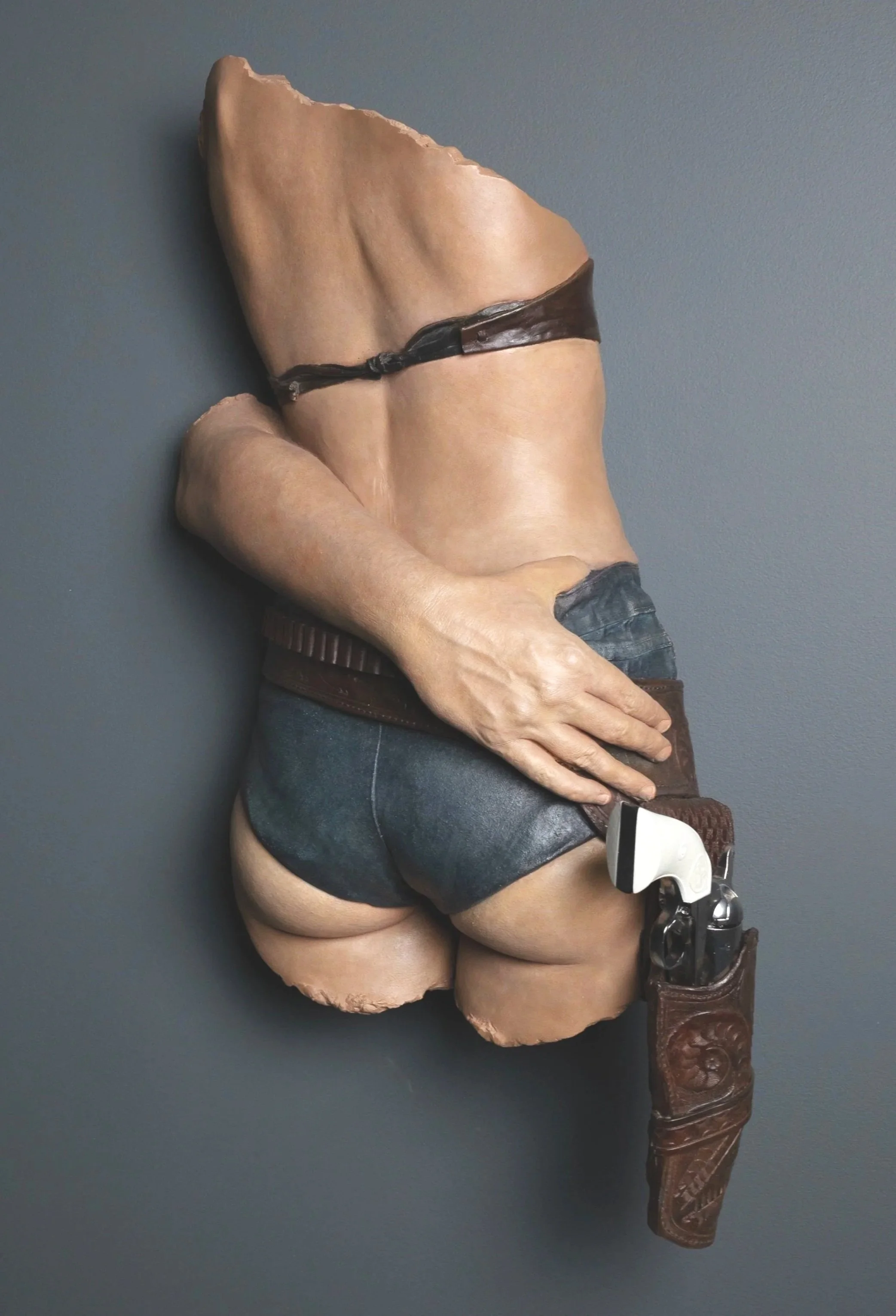
TEXAS
1981 26 x 21 x 10 in (66 x 53 x 25 cm) Oil on Resin
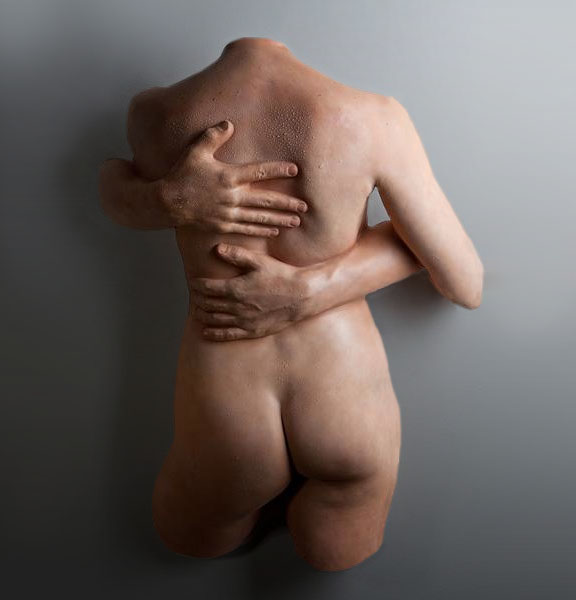
NUDE EMBRACE
2010 36 x 18 x 5 in (91 x 46 x 13 cm) Oil on Resin

TWO BUTTON VEST
1993 18 x 14 x 8 in (46 x 36 x 20 cm) Oil on Resin
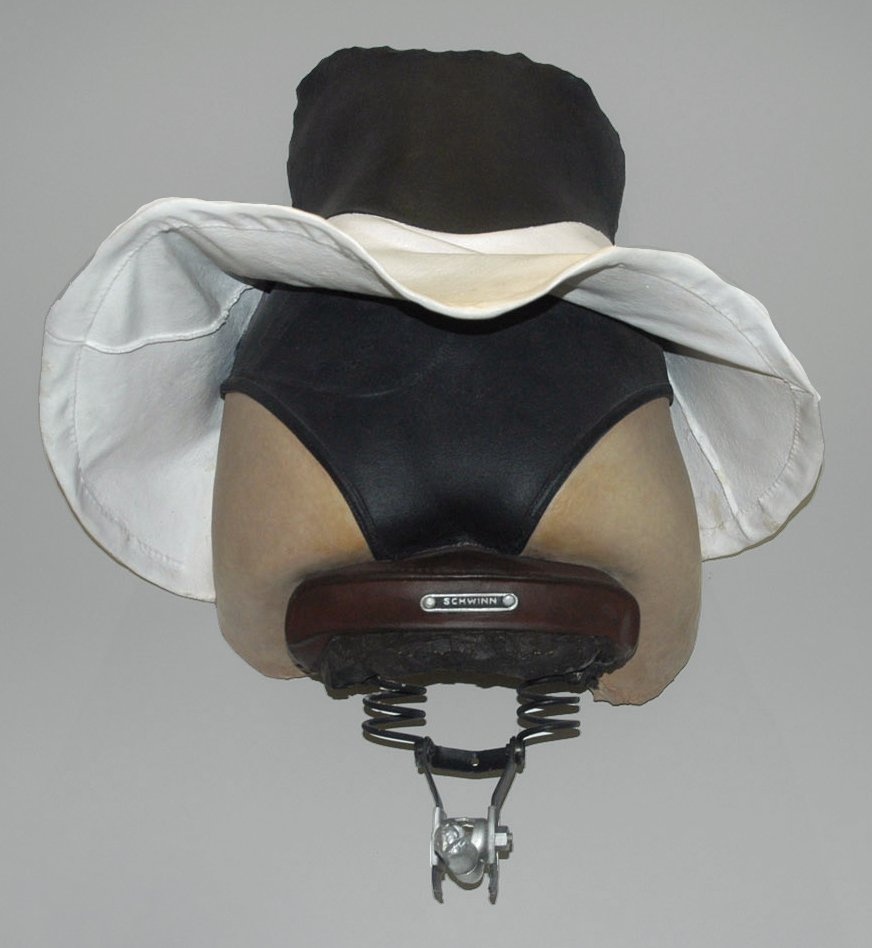
SCHWINN
1981 21 x 21 x 14 in (53 x 53 x 36 cm) Oil on Resin
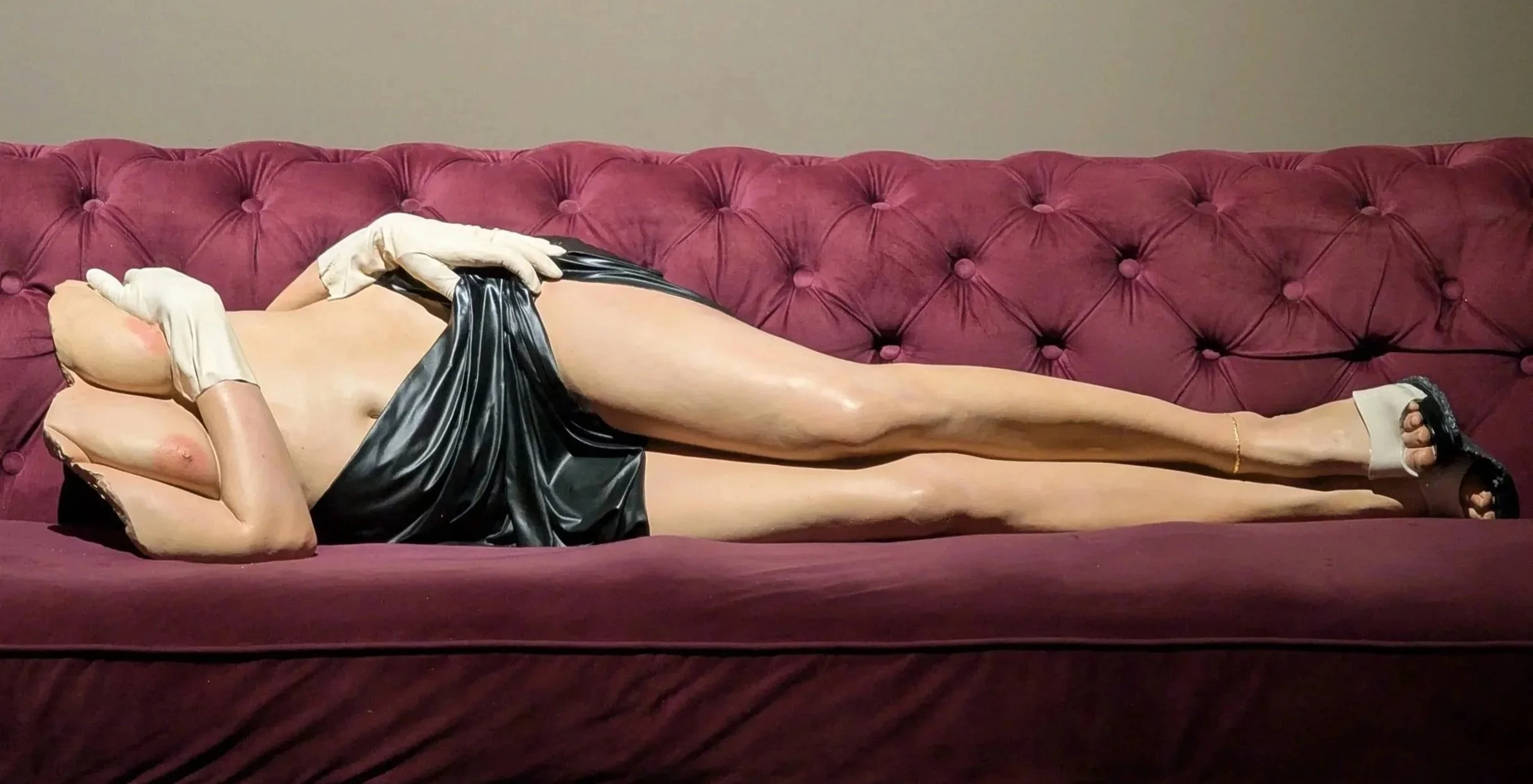
MADAME X
1981 18 x 54 x 10 in (45 x 137 x 25 cm) Oil on Resin