
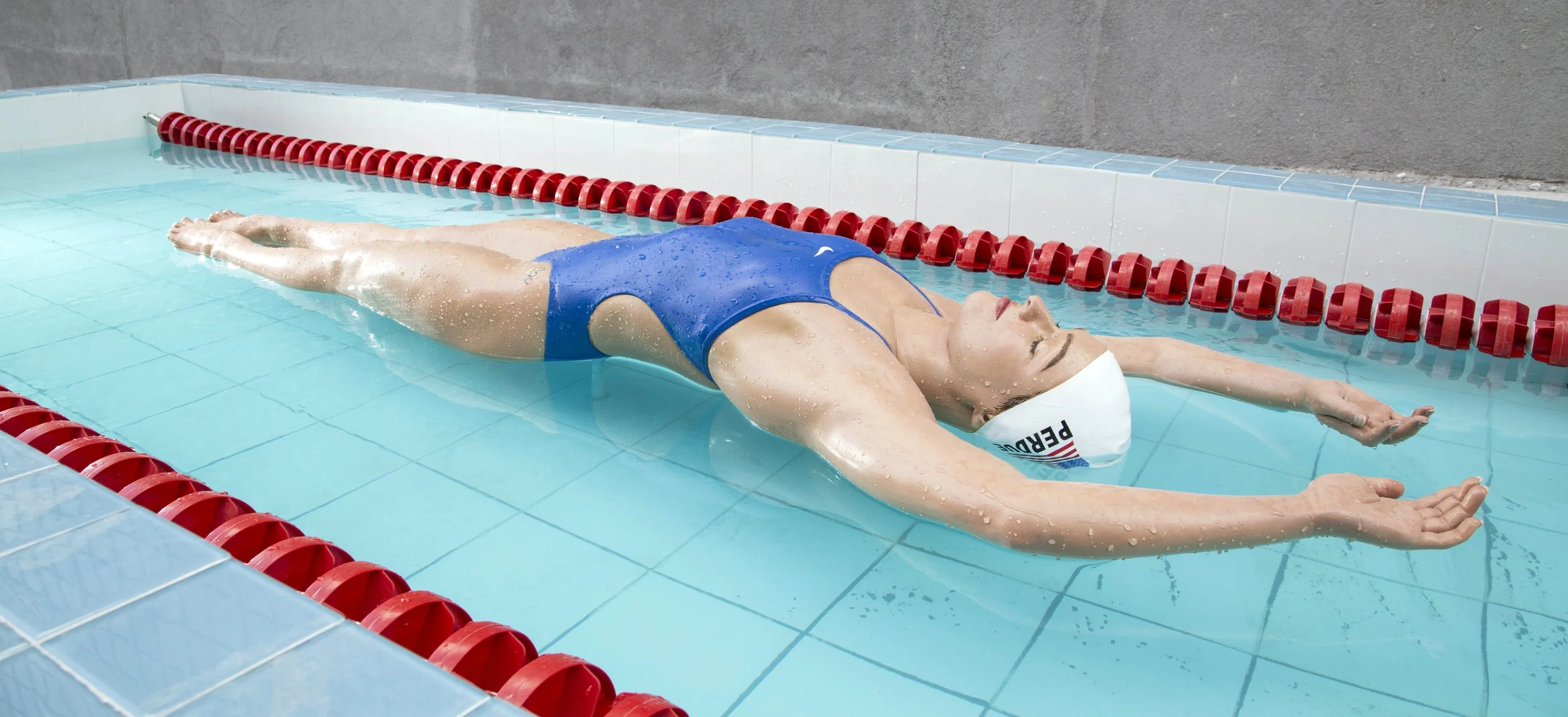
Swimmers
My first sculpture, Catalina, was made in 1981. At the time, I was exploring the human body through sensual small fragments and how a single part could suggest an entire person. Catalina began that way, but she also marked the beginning of my long conversation with the body through sculpture. The idea came when I was at the beach and saw a girl coming out of the water. I identified with her immediately. Catalina was not a literal self-portrait, but she expressed something I understood from within.
I began making swimmers because I wanted to understand how water changes the body. Water supports us, but it also makes us vulnerable. It offers freedom while demanding strength, control, and trust. I was drawn to that contradiction and began to see the swimmer as an image of both the human condition and my own life. Polyester resin allowed me to shape the body as though it were responding to water—turning a torso, extending a leg, or reaching forward—while remaining solid and grounded. The painted surface suggested skin, moisture, reflected light, and the difference between a submerged body and one emerging from the water. It also allowed me to move between realism and interpretation.
Some swimmers were fragmented, while others were complete. Some had faces, while others did not. A fragment invited the viewer to imagine what was missing, while a full figure could express emotion through posture, balance, and movement. A swimmer is never completely still.
Making the swimmers also taught me to move between intention and discovery. I began with an idea, but the material had its own resistance and possibilities. The figure had to be shaped, cast, finished, and painted before it became a physical presence. In that way, sculpture was like swimming: purposeful, but responsive to the environment.
I am still making swimmers. Through them, I can express what it means to be vulnerable without being weak, determined without being certain, and hopeful without knowing the outcome.
CATCH
2024 85 x 26 x 21 in (216 x 66 x 53 cm) Lacquer on Epoxy
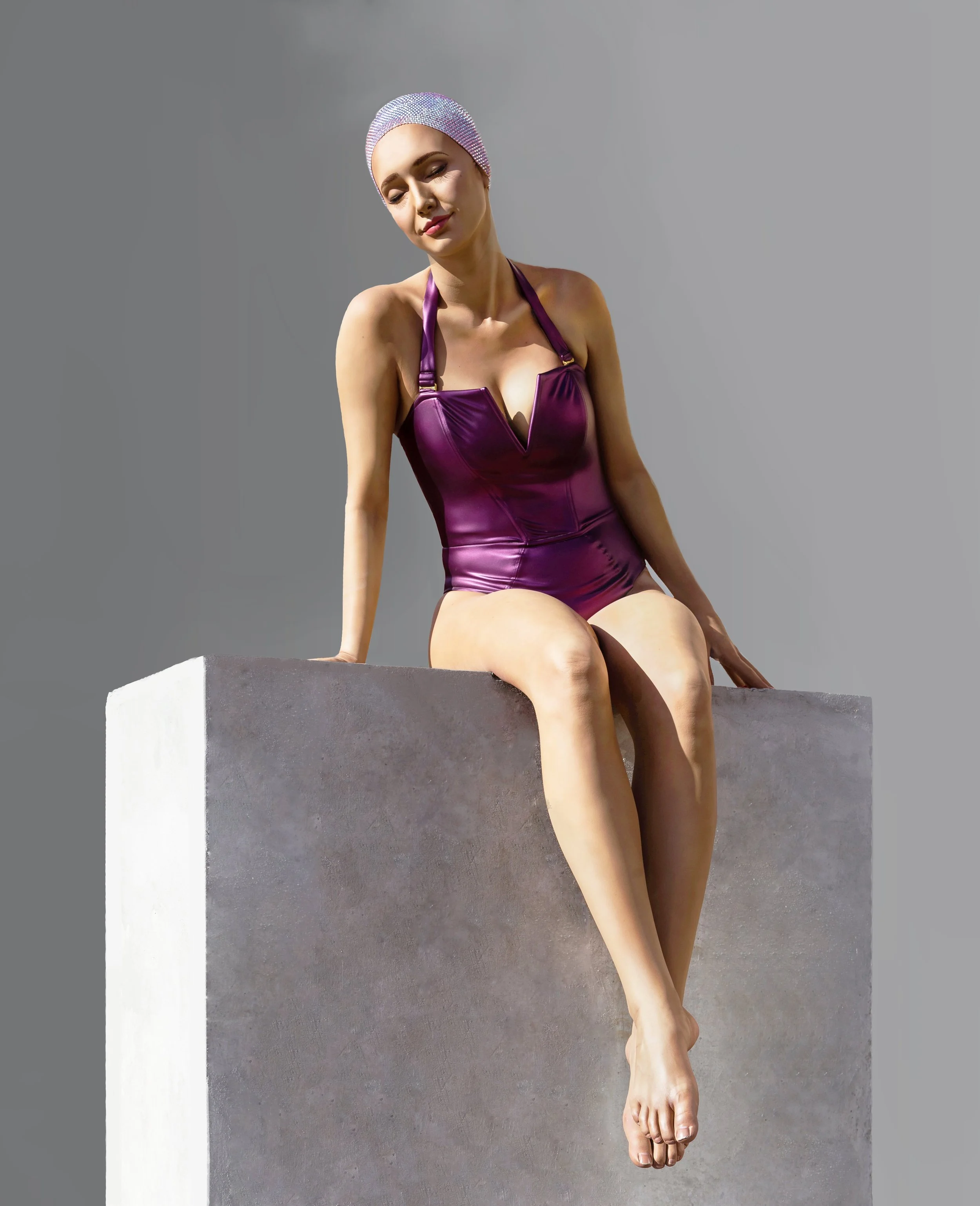
PISCES
2022 48 x 33 x 40 in (122 x 84 x 102 cm) Lacquer on Epoxy, Crystals
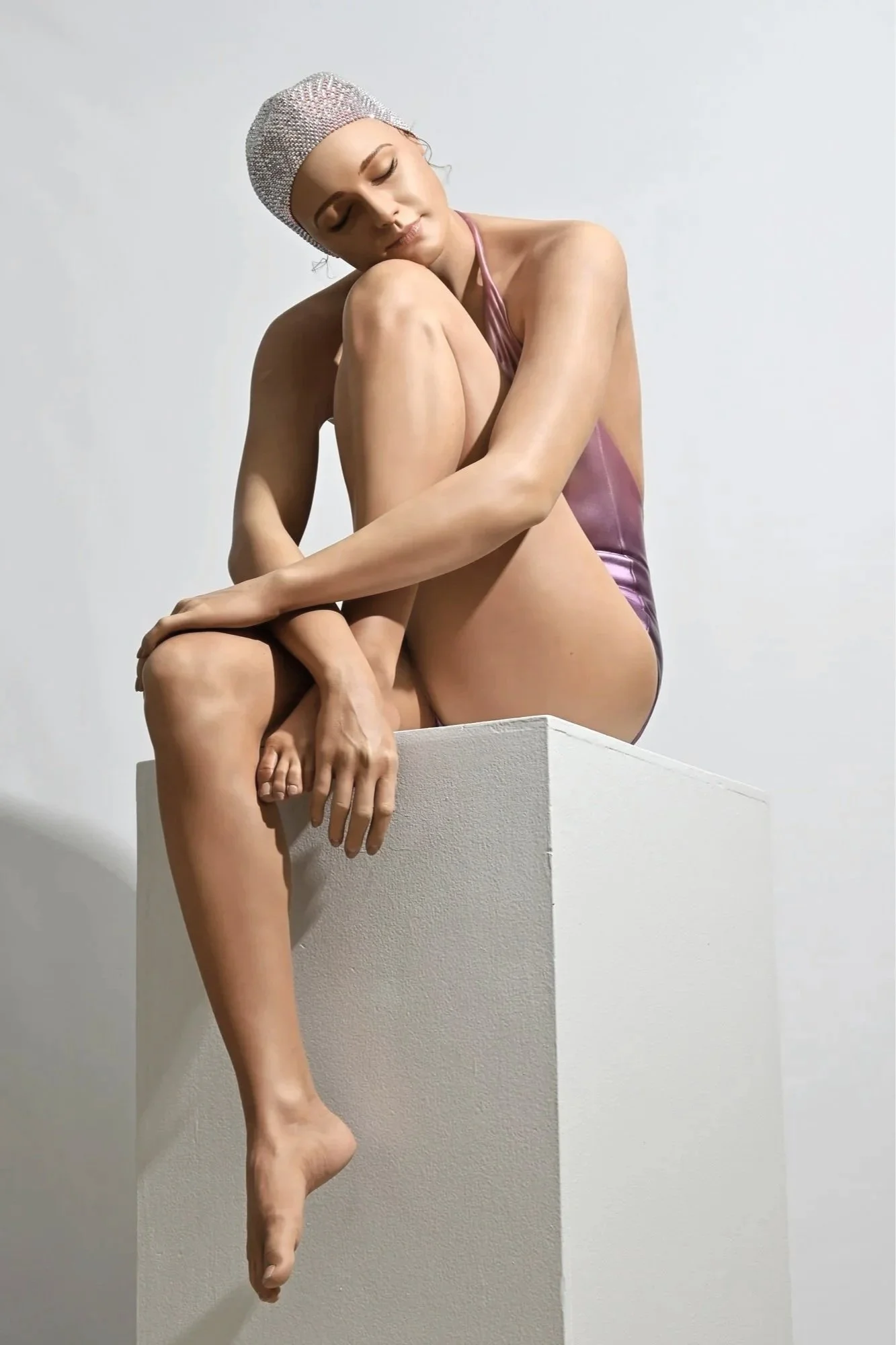
SERENITY
2022 48 x 18 x 26 in (122 x 46 x 66 cm) Lacquer on Resin
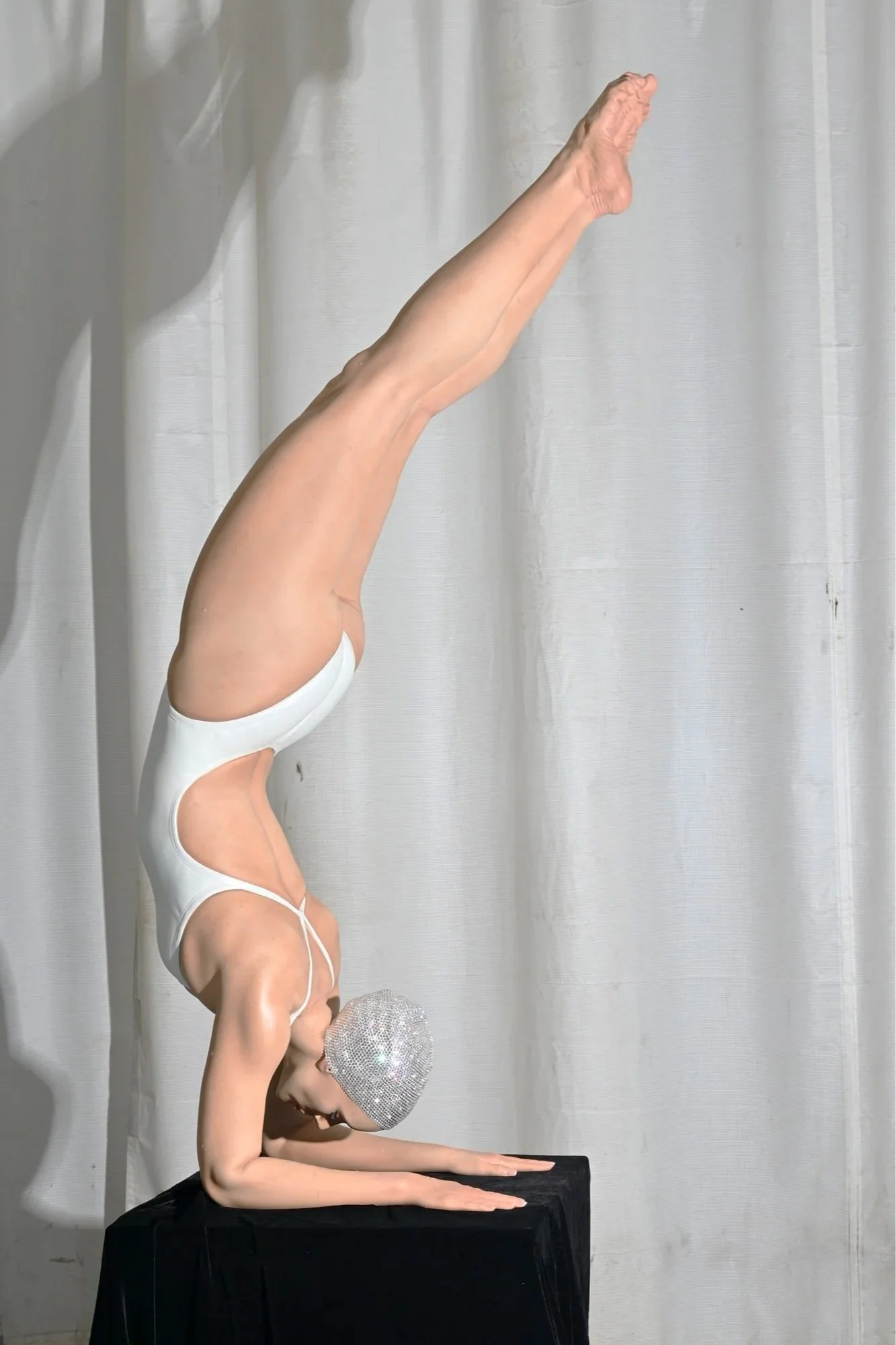
PERSEVERANCE
2022 68 x 17 x 30 in (173 x 43 x 76 cm) Lacquer on Epoxy, Crystals
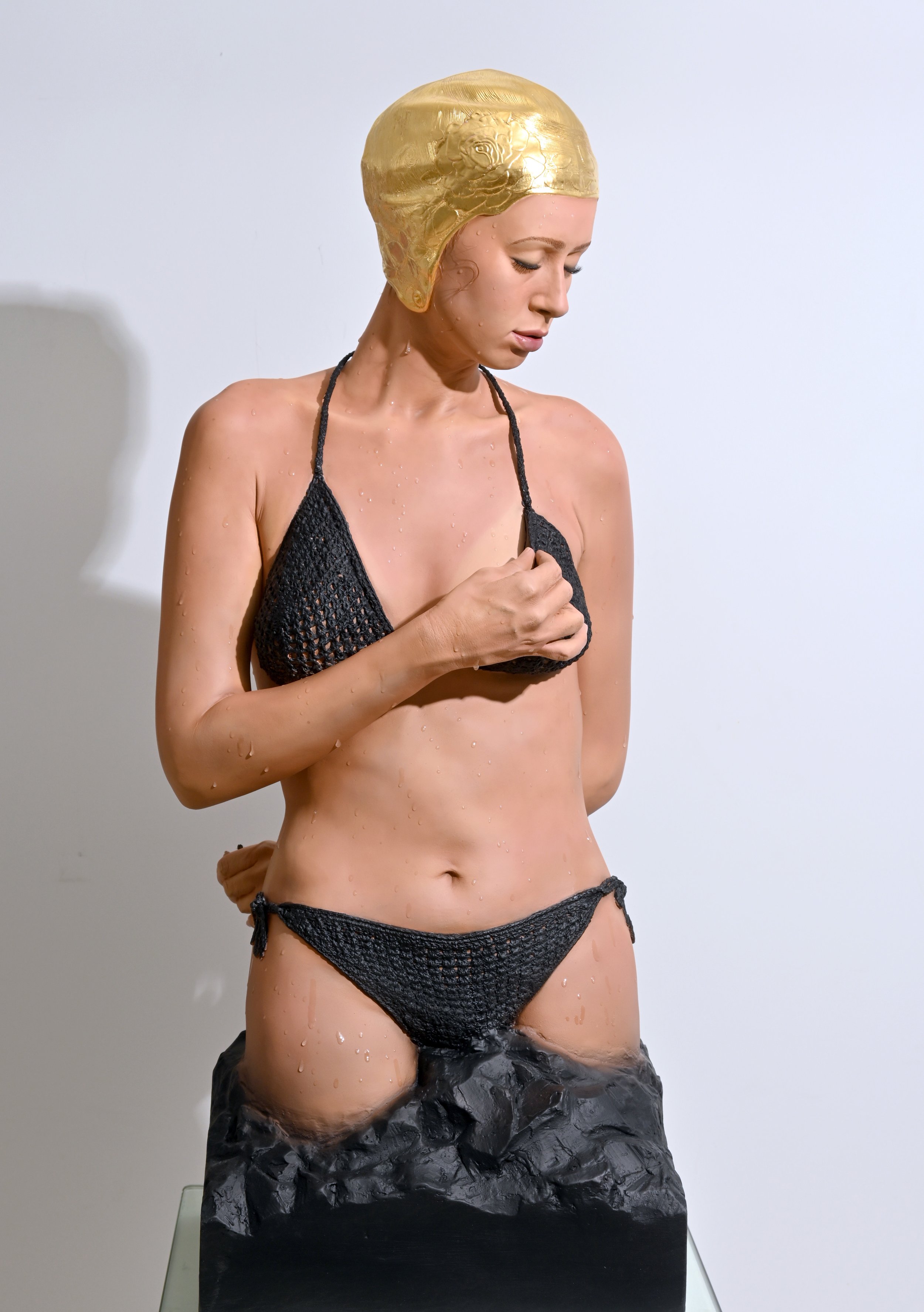
SUNBURN
2021 40 x 15 x 13 in (102 x 38 x 33 cm) Oil on Resin
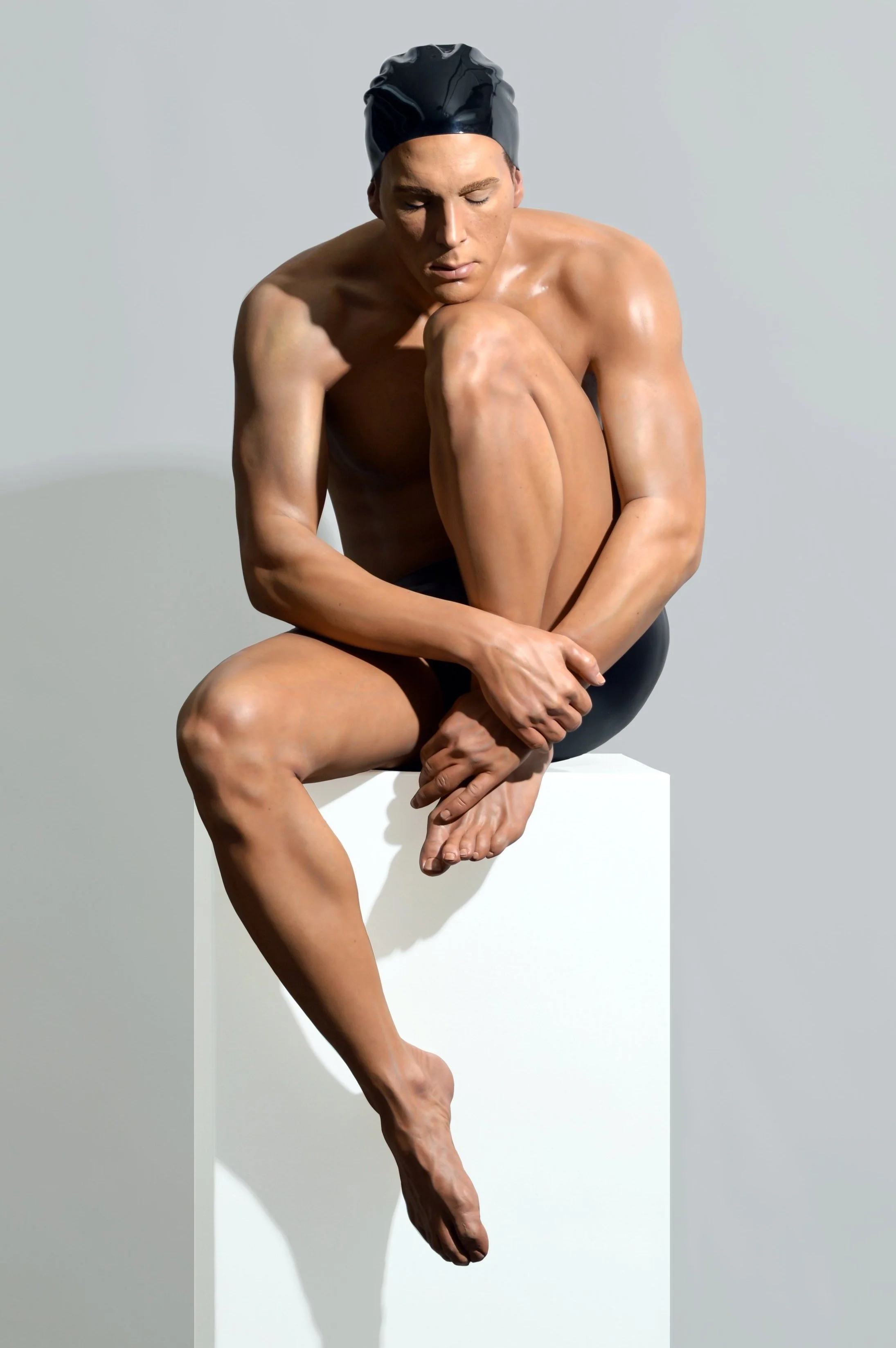
THE THINKER
2019 51 x 26 x 28 in (130 x 66 x 71 cm) Lacquer on Epoxy

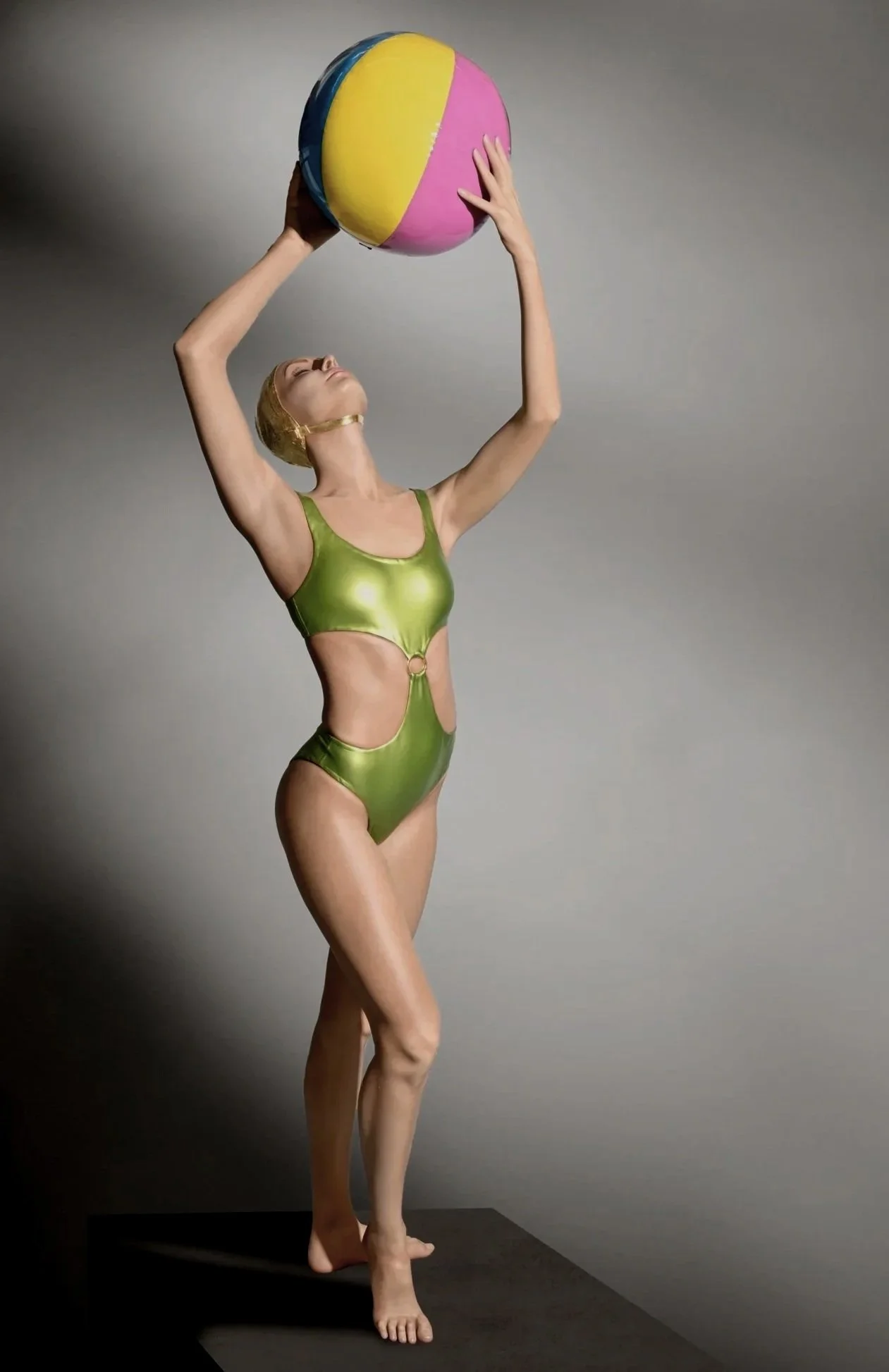
YAIMA AND THE BALL
2019 66 x 28 x 39 in (168 x 72 x 100 cm) Lacquer on Resin with Gold Leaf
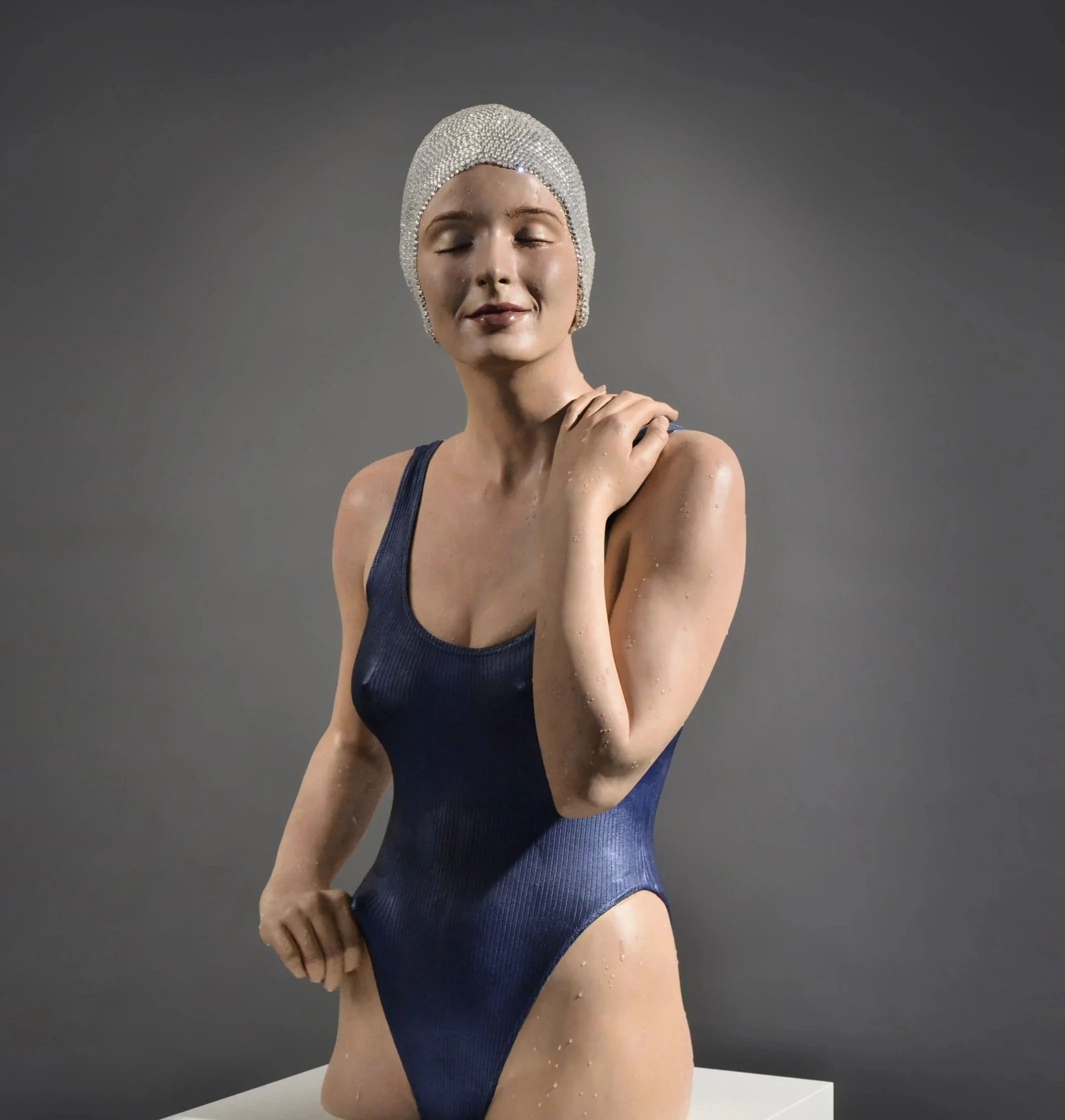
CAPRI
1990-2019 30 x 20 x 11 in (76 x 51 x 28 cm) Oil on Resin, Crystals
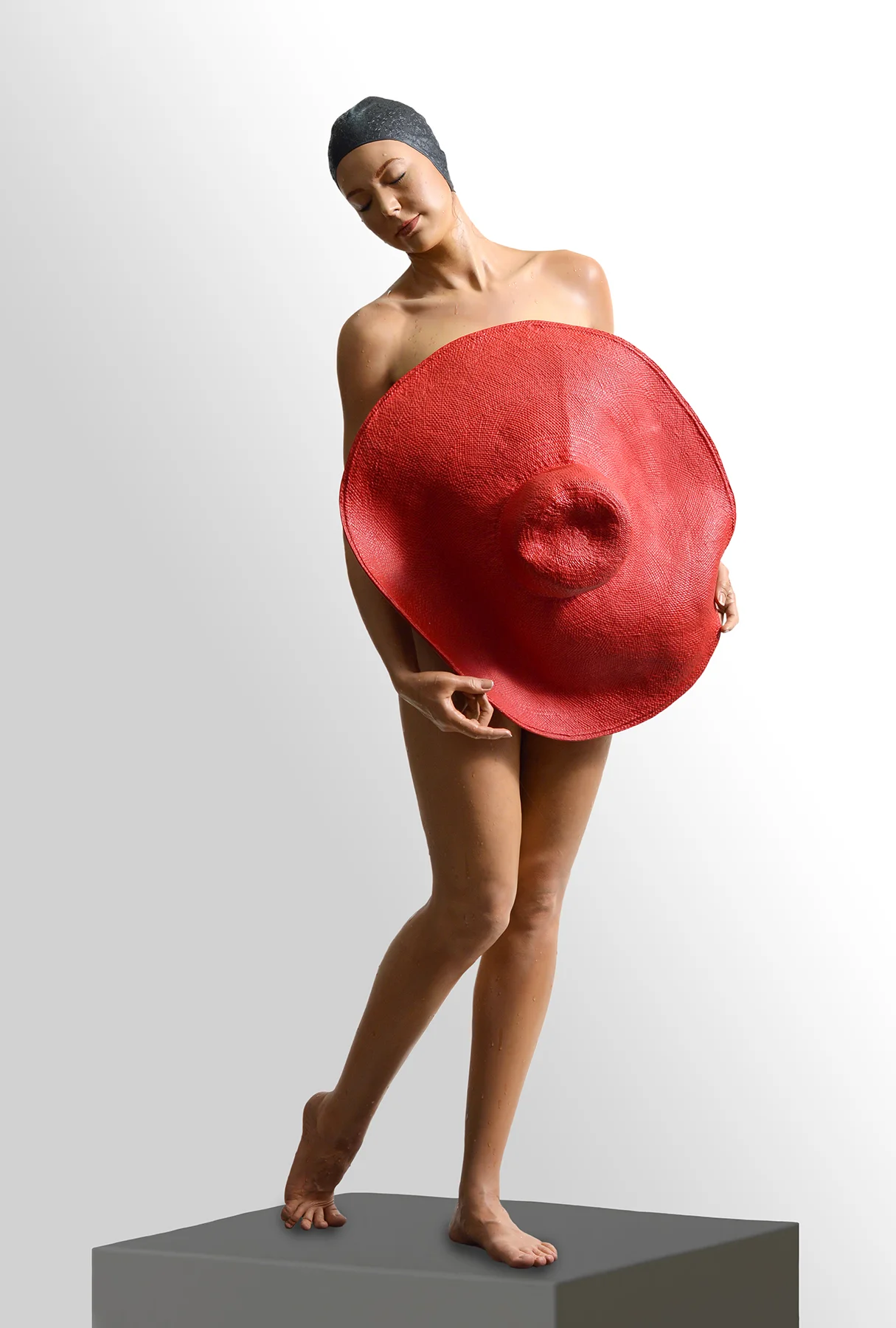
GIRL WITH THE RED HAT
2018 65 x 24 x 24 in (165 x 61 x 61 cm) Lacquer on Bronze
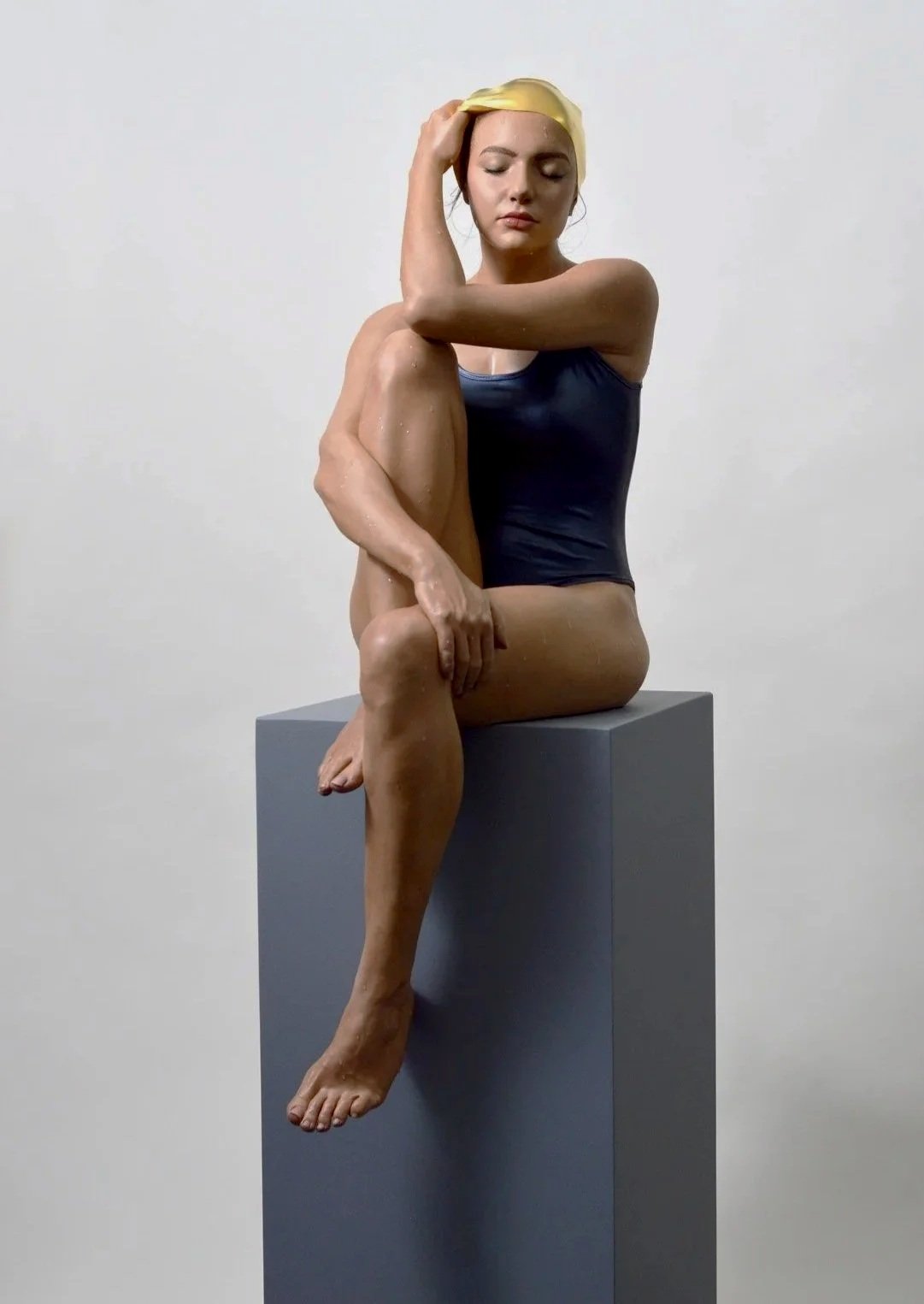
MIDPOINT
2017 53 x 22 x 17 in (135 x 56 x 41 cm) Lacquer on Epoxy

CHRYSALIS
2017 33 x 18 x 36 in (84 x 46 x 91 cm) Lacquer on Epoxy, Crystals
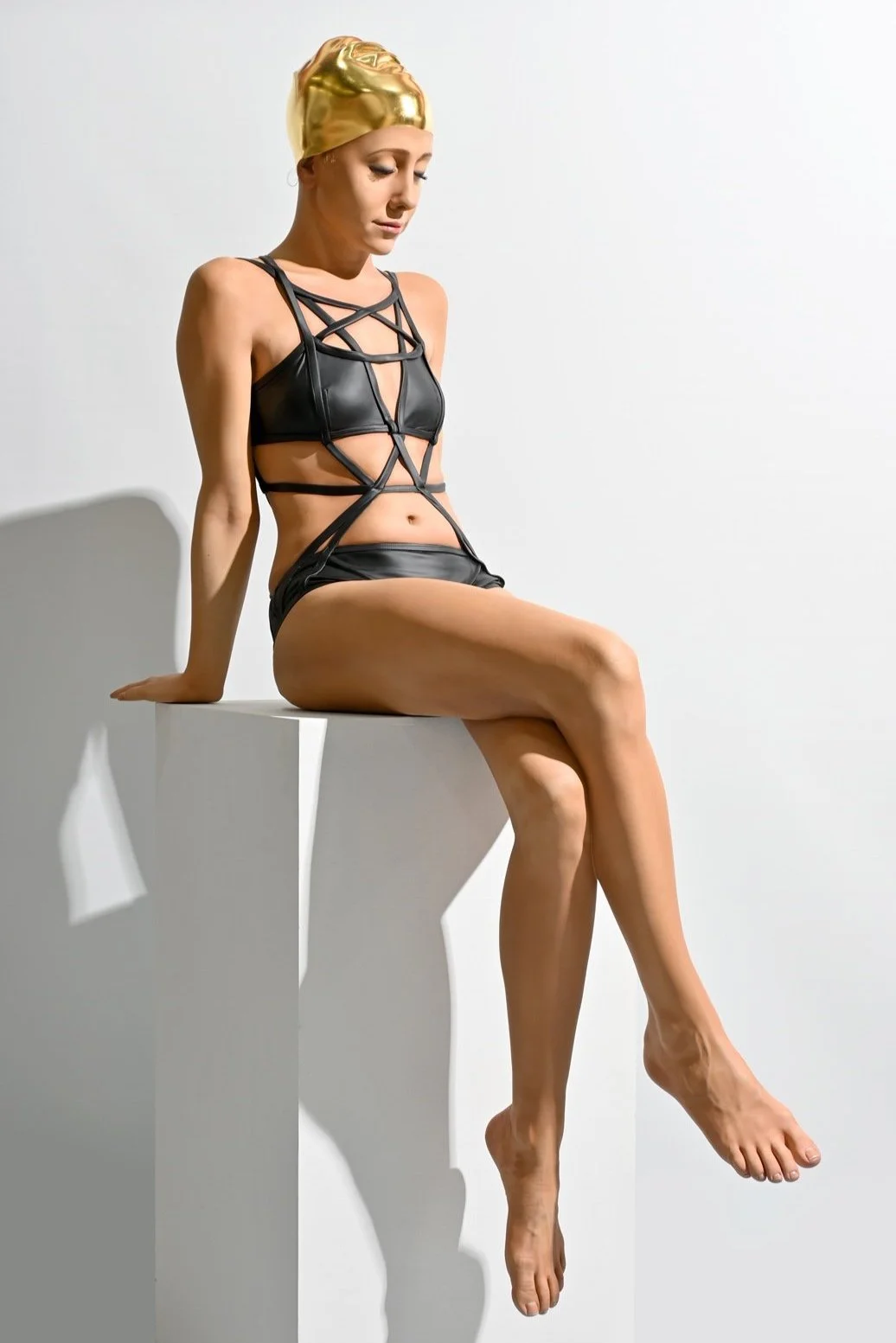
KENDALL ISLAND
2014-17 60 x 24 x 40 in (152 x 60 x 101 cm) Lacquer on Resin with Gold Leaf Cap
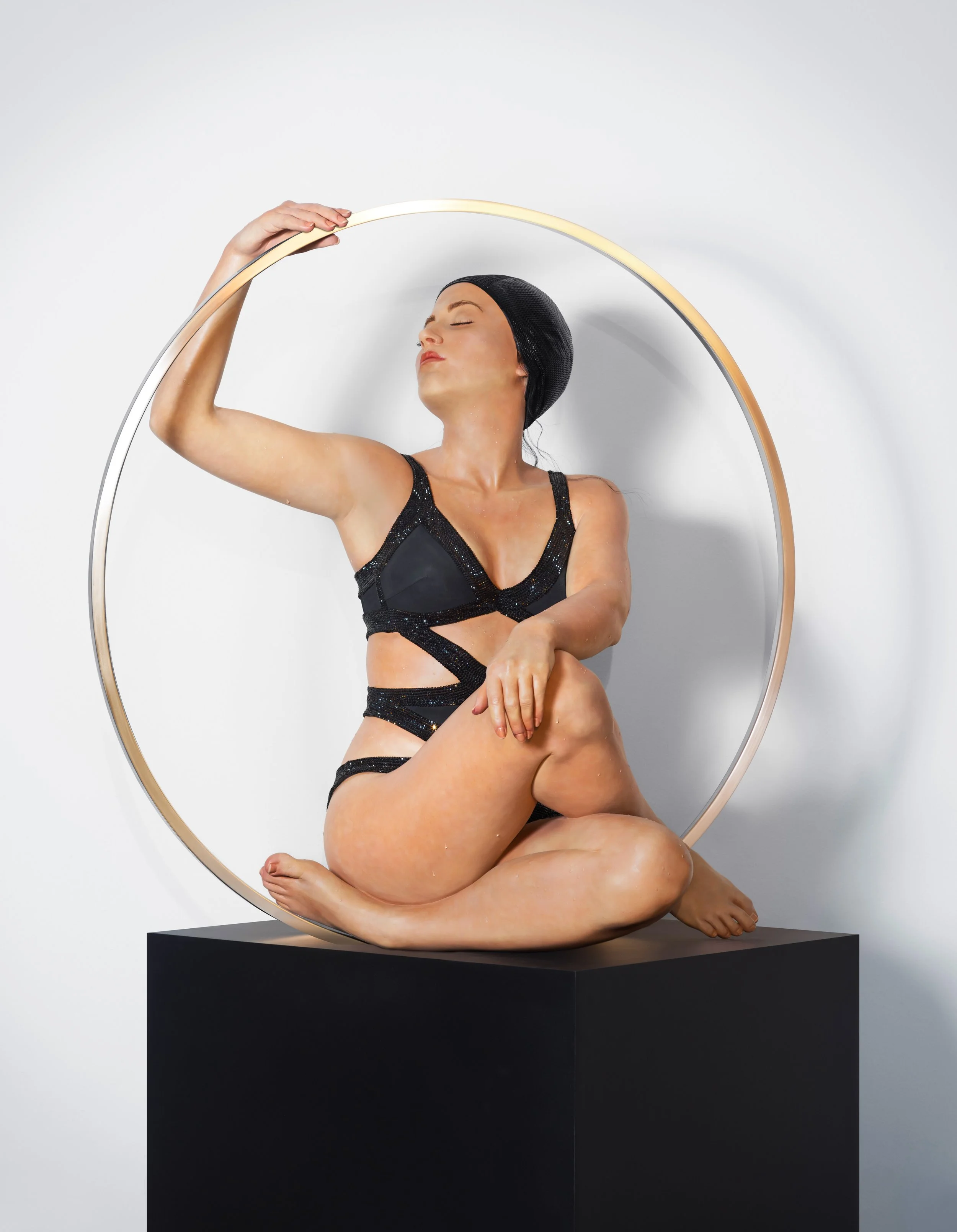
INFINITY
2014 82 x 30 x 27 in (208 x 76 x 69 cm) Lacquer on Epoxy with Crystals and Stainless-Steel
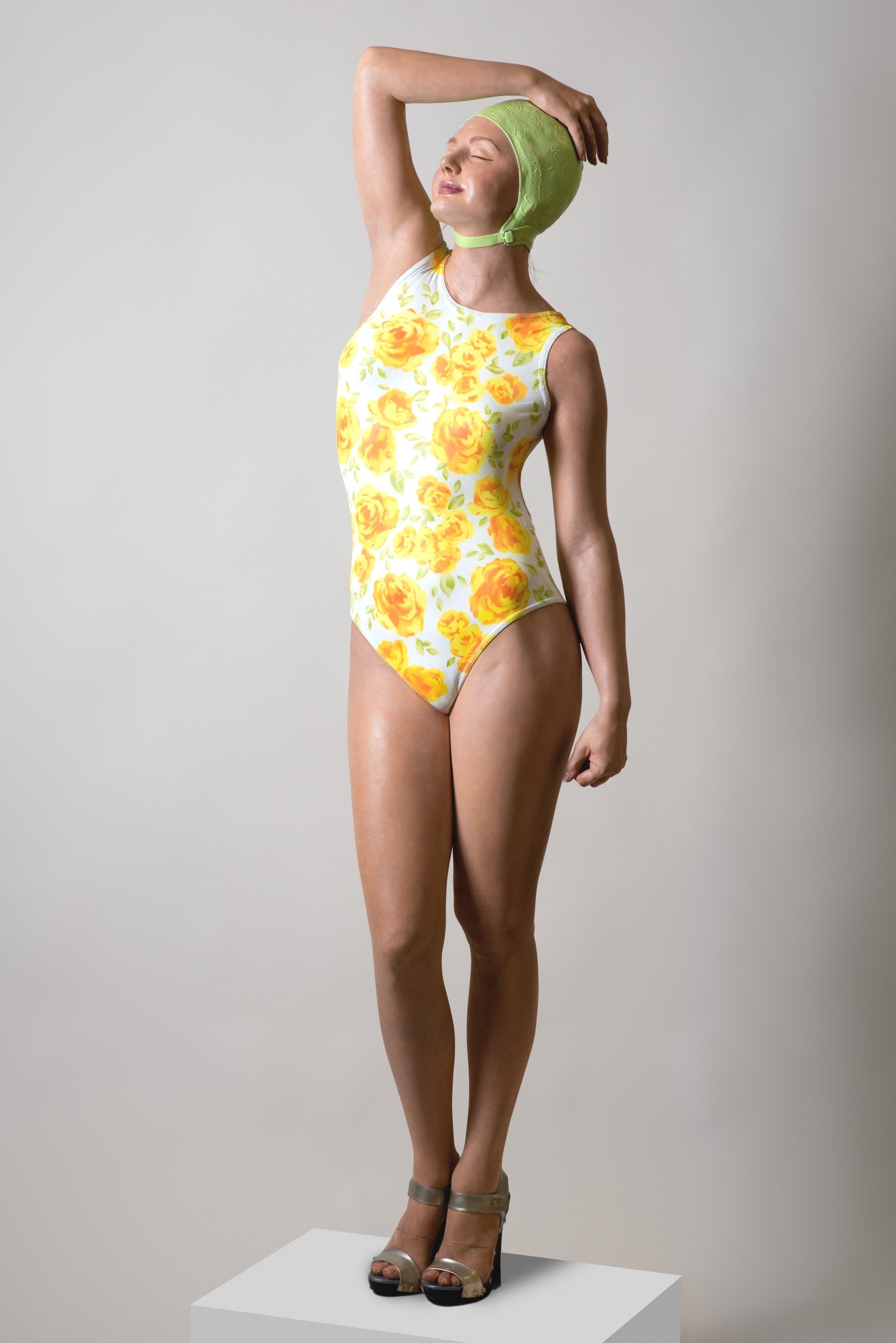
CHRISTINA
2013-14 72 x 19 x 14 in (182 x 48 x 34 cm) Lacquer on Epoxy
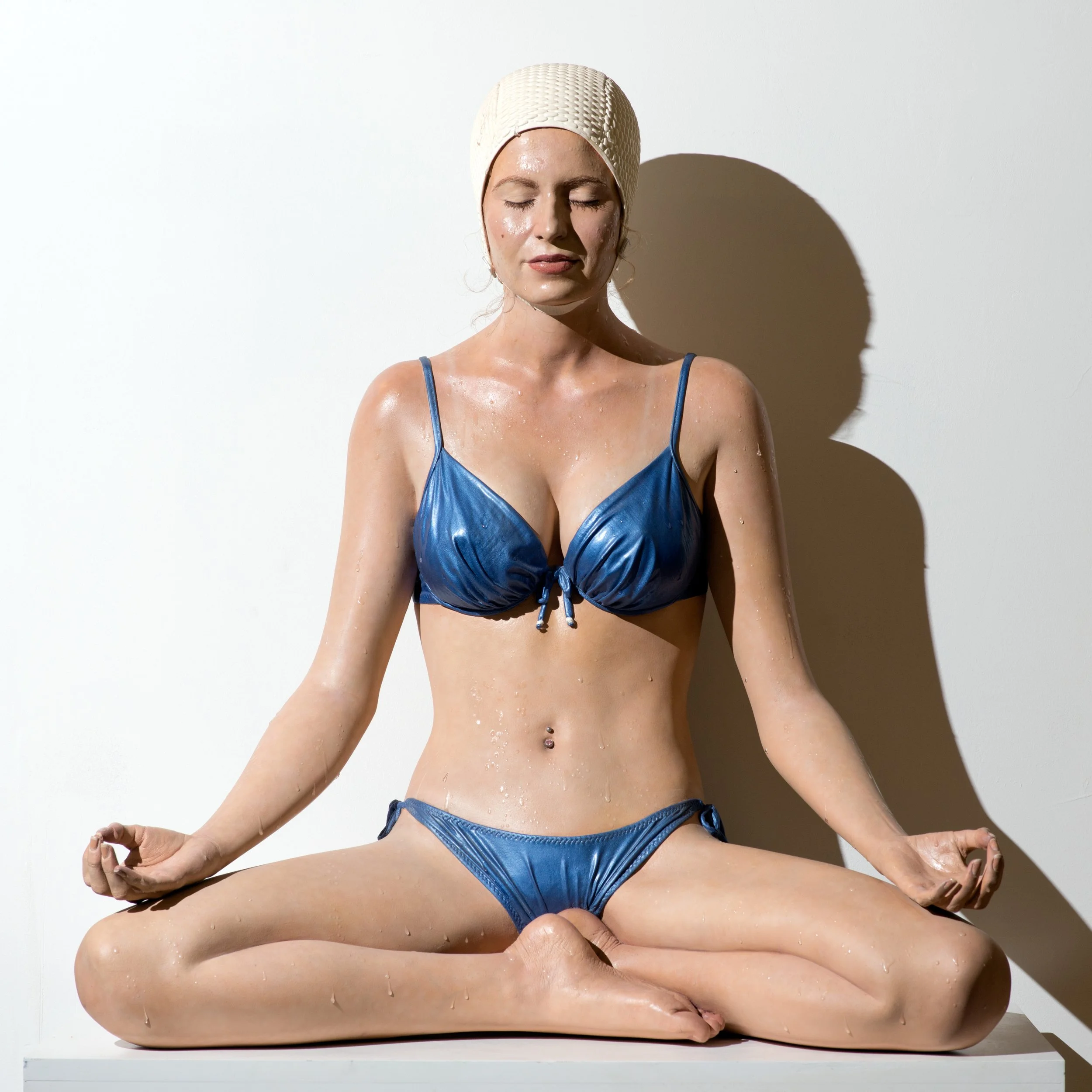
BALANCE
2011 36 x 32 x 18 in (91 x 81 x 45 cm) Lacquer on Resin
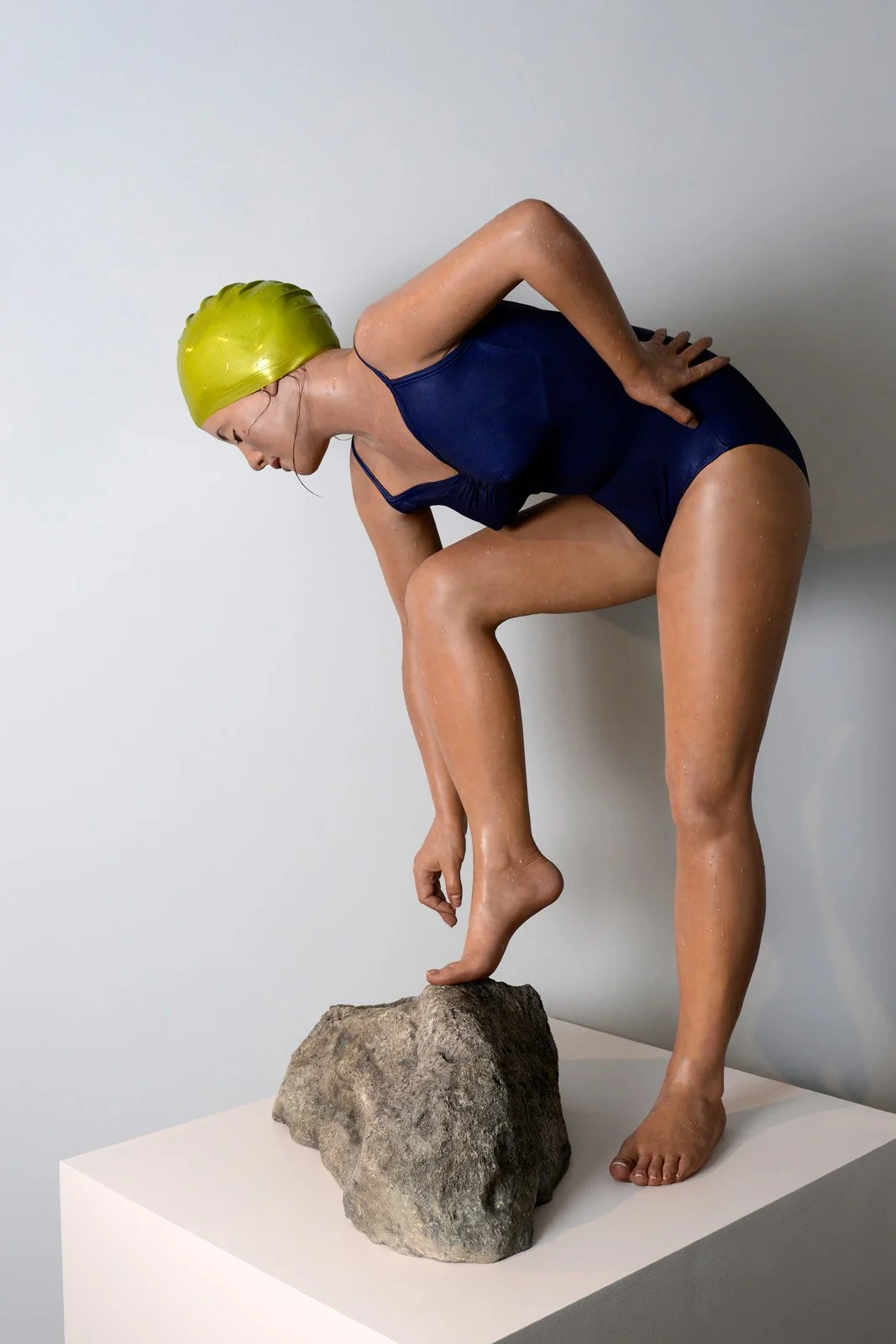
THE MESSAGE
2013 46 x 27 x 32 in (117 x 69 x 81 cm) Lacquer on Resin
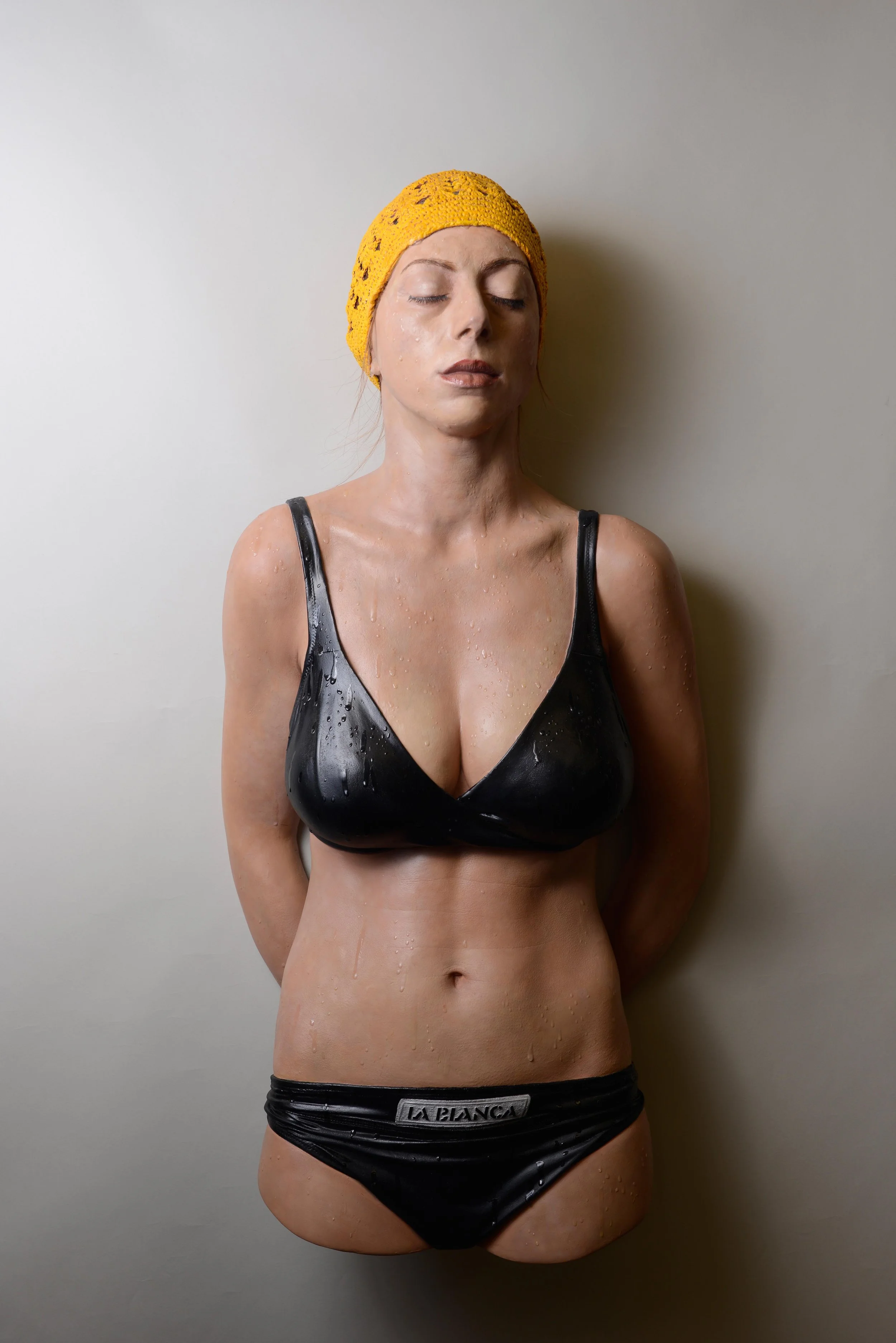
FRANCESCA
2008 35 x 19 x 9 in (89 x 46 x 23 cm) Oil on Resin

MORAN
2008 26 x 18 x 8 in (66 x 46 x 20 cm) Lacquer on Epoxy
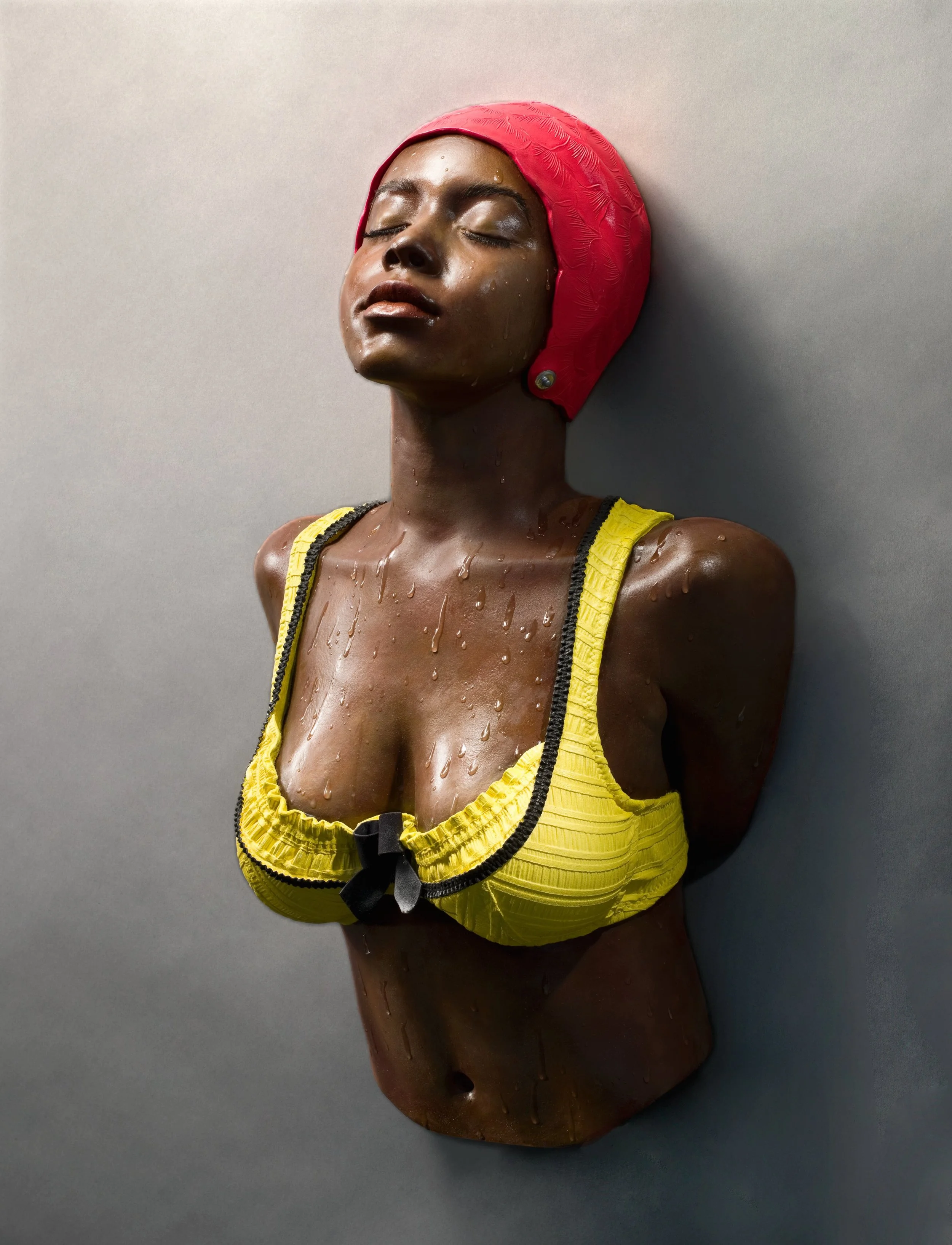
THE GENERAL'S TWIN
2009 24 x 15 x 8 in (61 x 38 x 20 cm) Oil on Resin
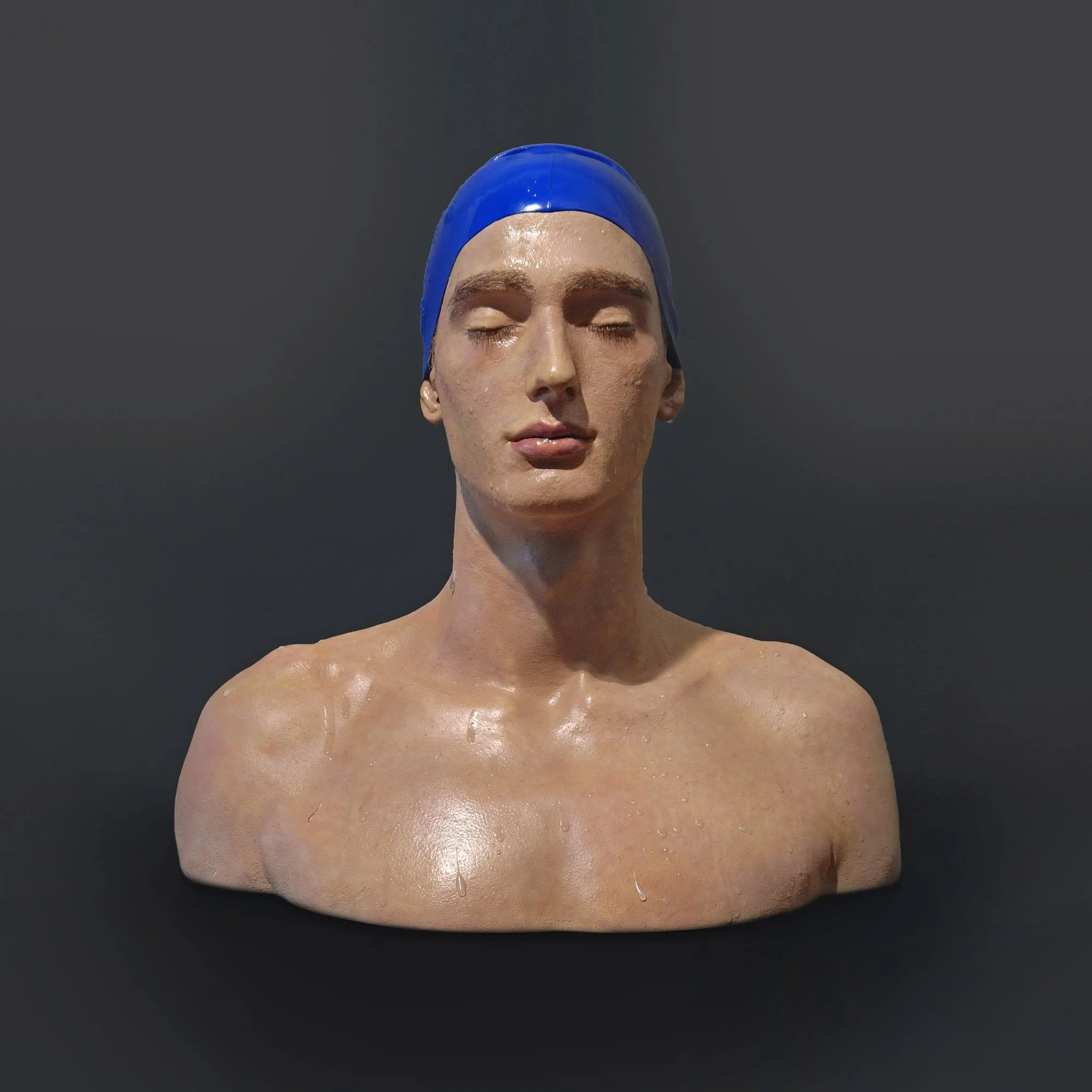
MATTEO
2008 19 x 20 x 10 in (48 x 51 x 25 cm) Oil on Resin
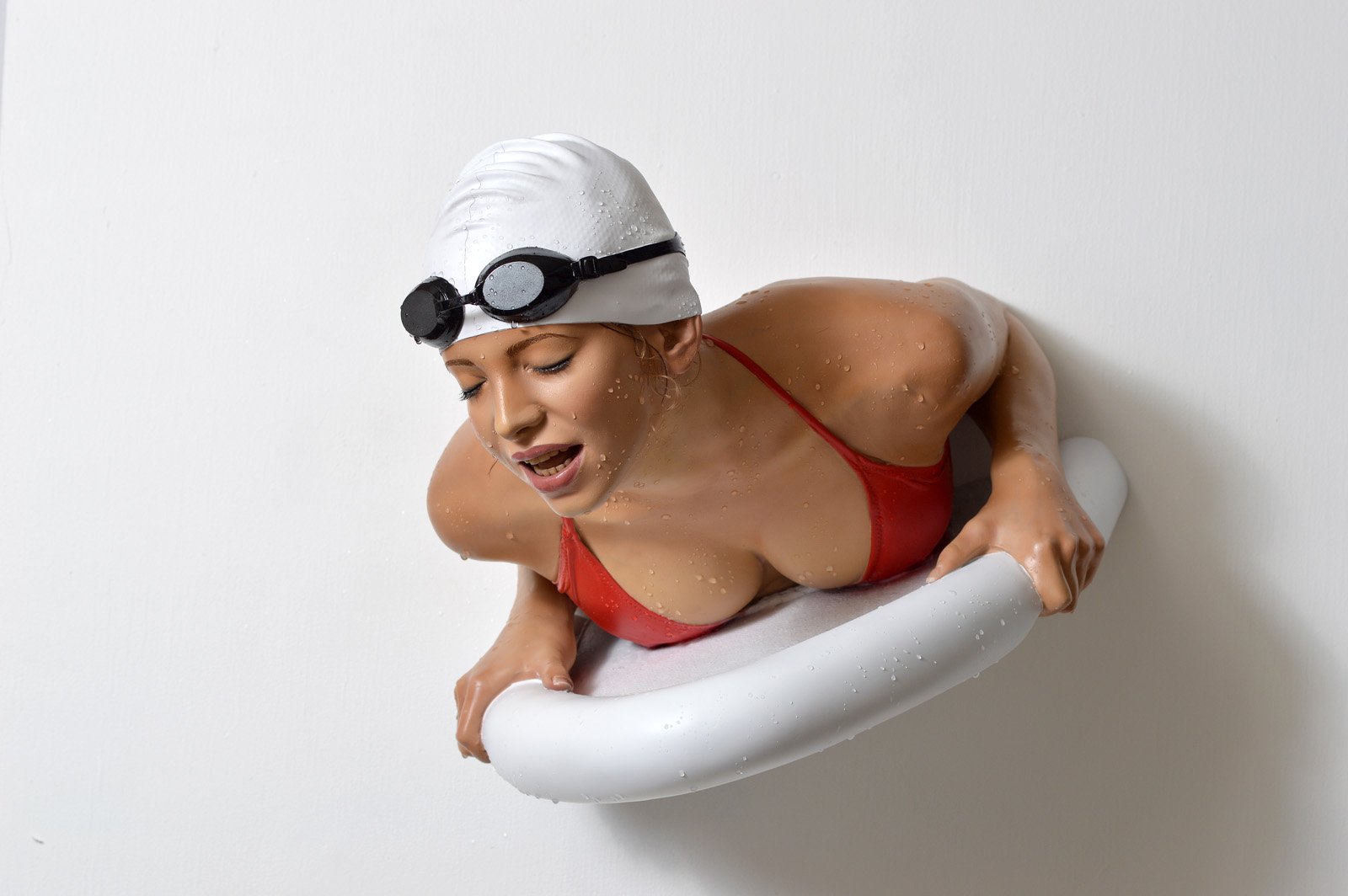
SURFER II
2019 19 x 20 x 17 in (48 x 51 x 43 cm) Oil on Resin
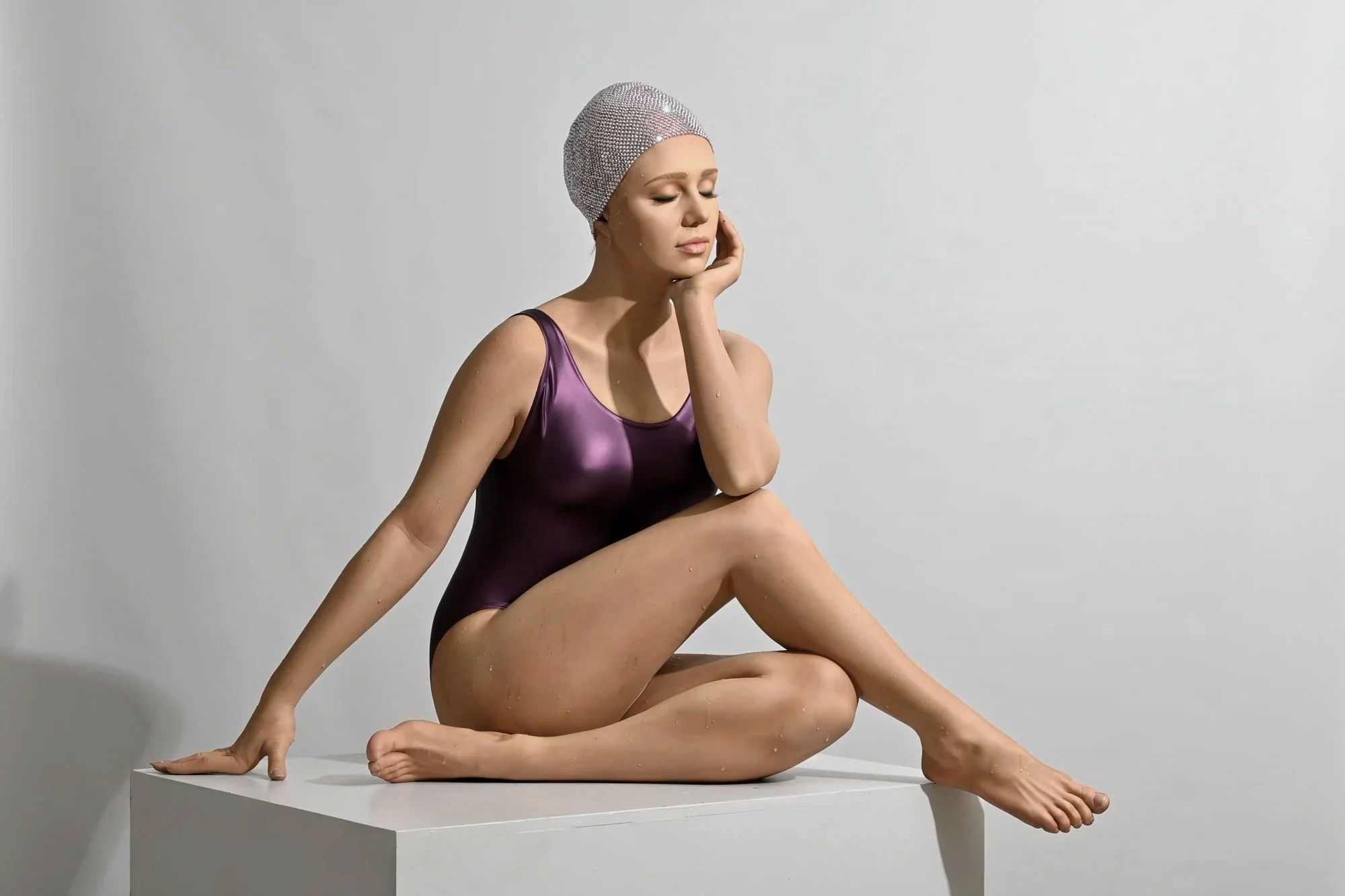
CONTEMPLATION
2018 34 x 42 x 22 in (86 x 107 x 56 cm) Lacquer on Epoxy, 24k Gold Leaf
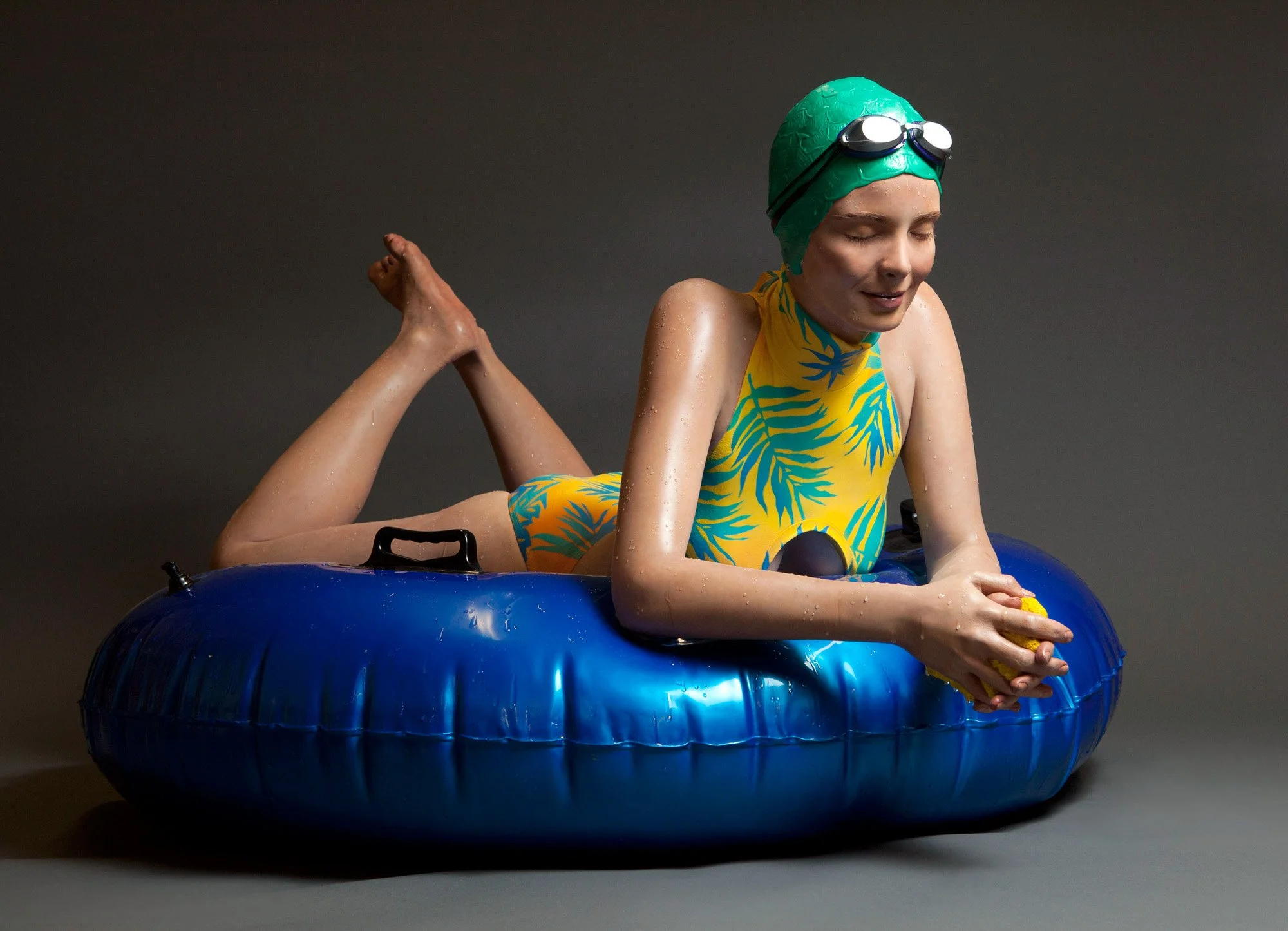
NEXT SUMMER
2016 67 x 60 x 43 in (99 x 137 x 127 cm) Lacquer on Bronze & Stainless-Steel

THE GODDESS
2016 51 x 21 x 32 in (81 x 130 x 53 cm) Lacquer on Epoxy

LEDA AND THE SWAN
2014 42 x 80 x 90 in (107 x 203 x 227 cm) Lacquer on Epoxy, Crystals, Gold Leaf
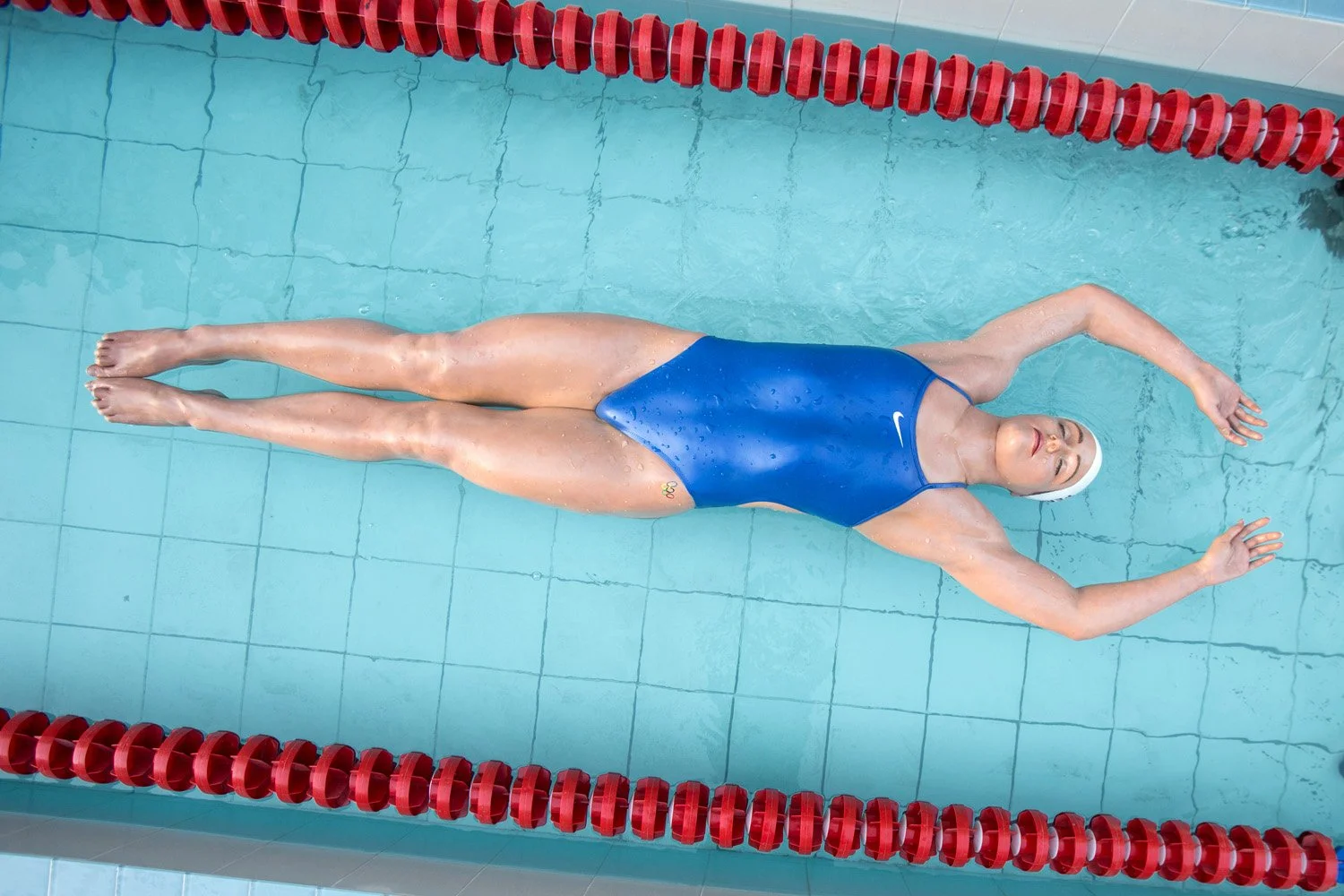
OLYMPUS
2013 10 x 168 x 66 in (25 x 427 x 168 cm) Lacquer on Plastic, Water, Pool
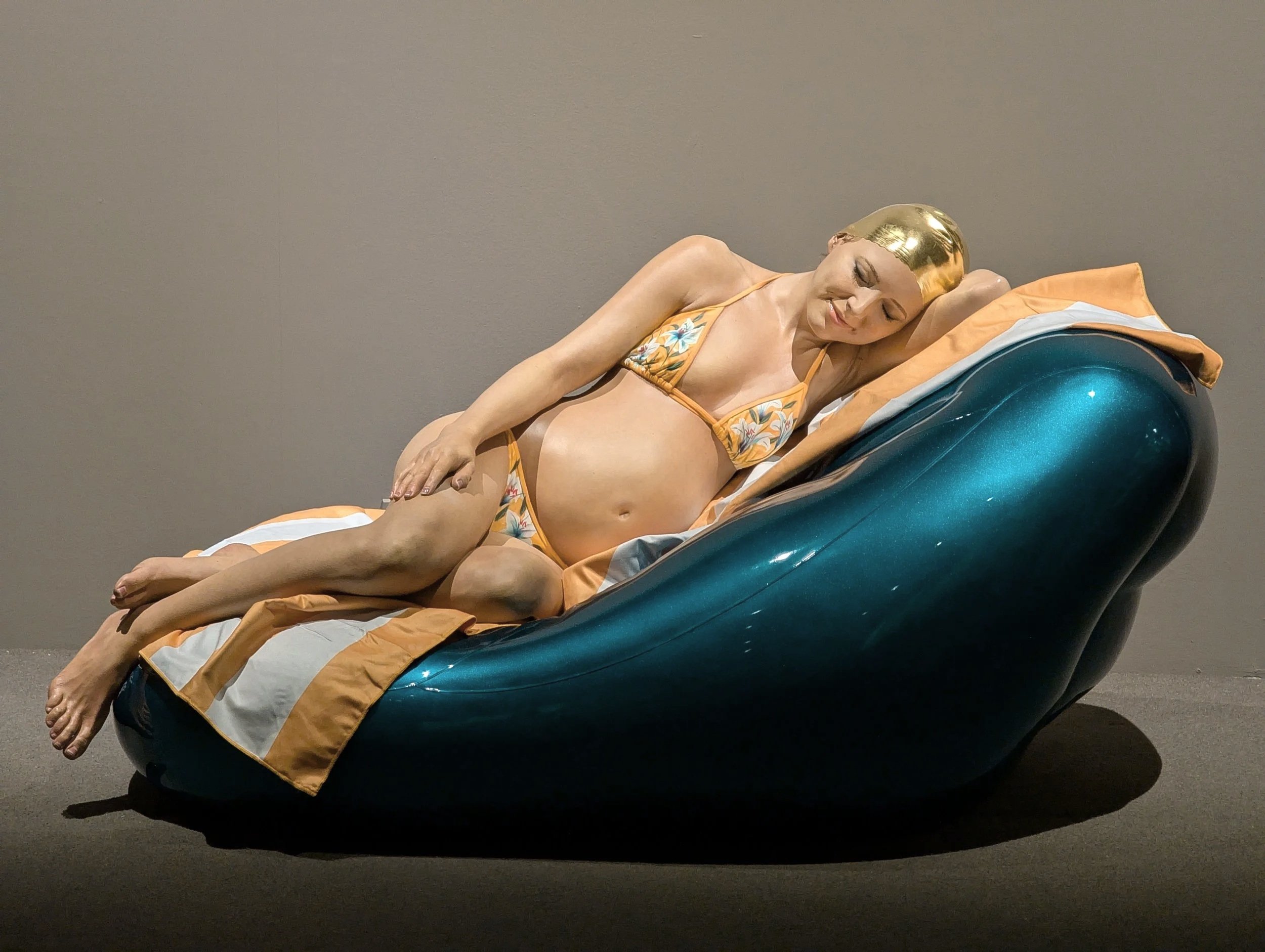
MONA LISA
2013 37 x 42 x 66 in (94 x 107 x 168 cm) Lacquer on Epoxy
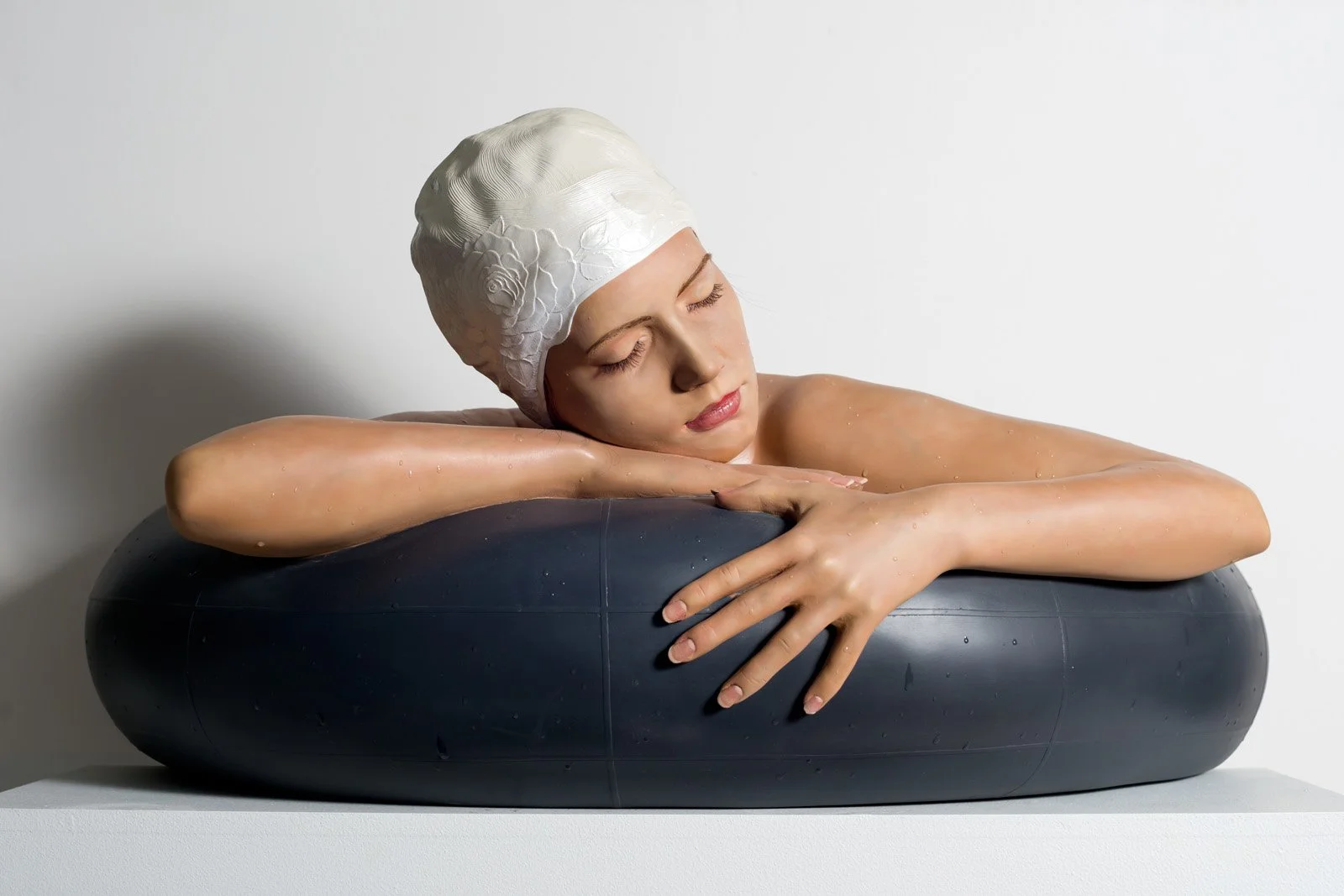
INNERTUBE VARIANT
2013 17 x 32 x 15 in (43 x 81 x 38 cm) Lacquer on Epoxy
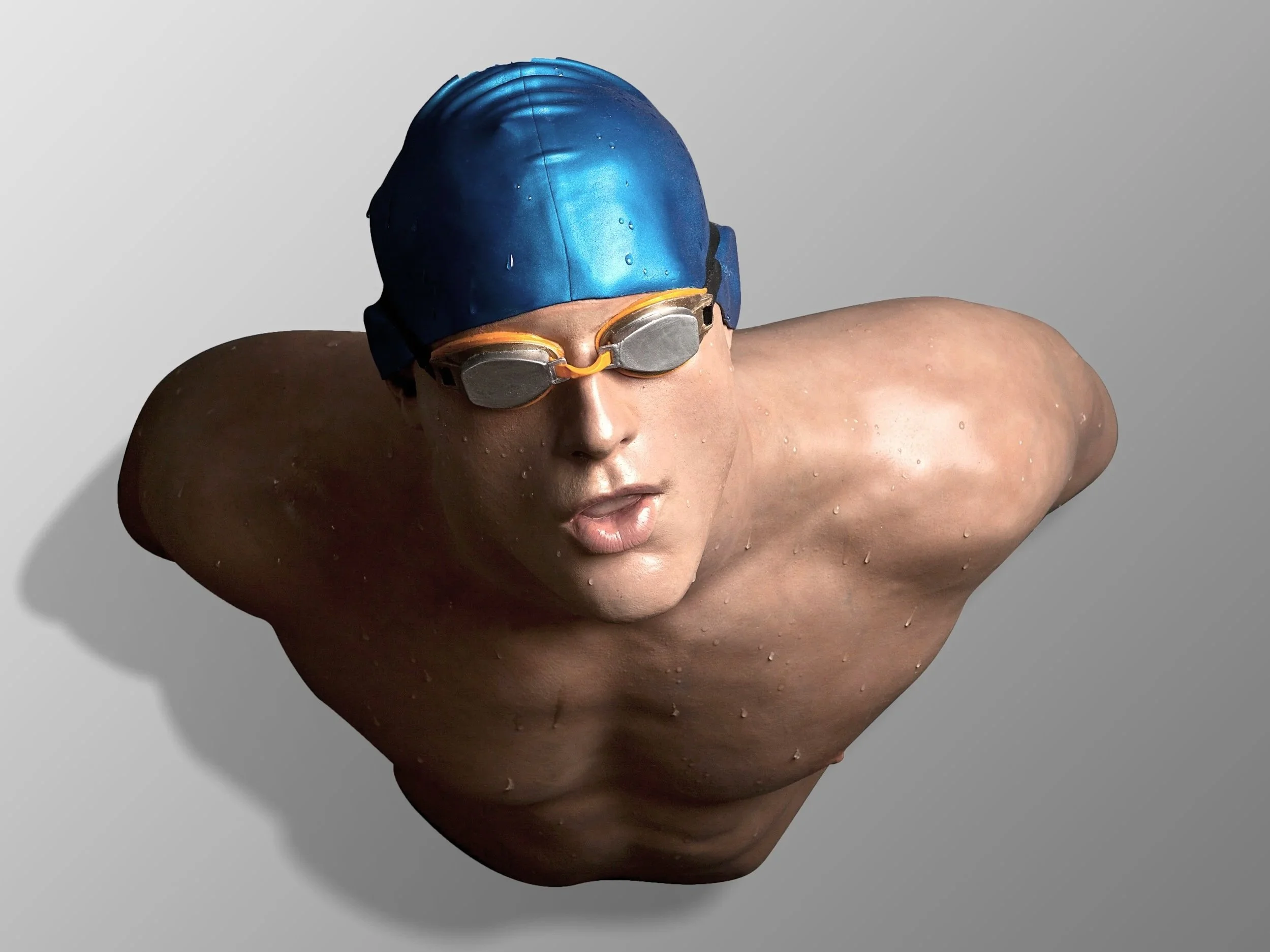
BUTTERFLY
2008 - 2011 21 x 23 x 21 in (53 x 58 x 53 cm) Oil on Resin